NICHE: a film made without a camera
Idea, characters, generation and edit by ZDES Digital
A two-minute film about two hipsters trying to out-niche each other. We made it as our intro piece for the Higgsfield AI team, fully generated from the first character to the last frame.
To us, AI isn’t a “make it pretty” button — it’s a new kind of camera. It doesn’t replace the director, the designer or the editor; it frees them from the limits of a set. Any character can be found, any world built, any light caught. What’s left is what always mattered: the idea, taste, and the patience to get every frame right.
01
Funny because it’s true
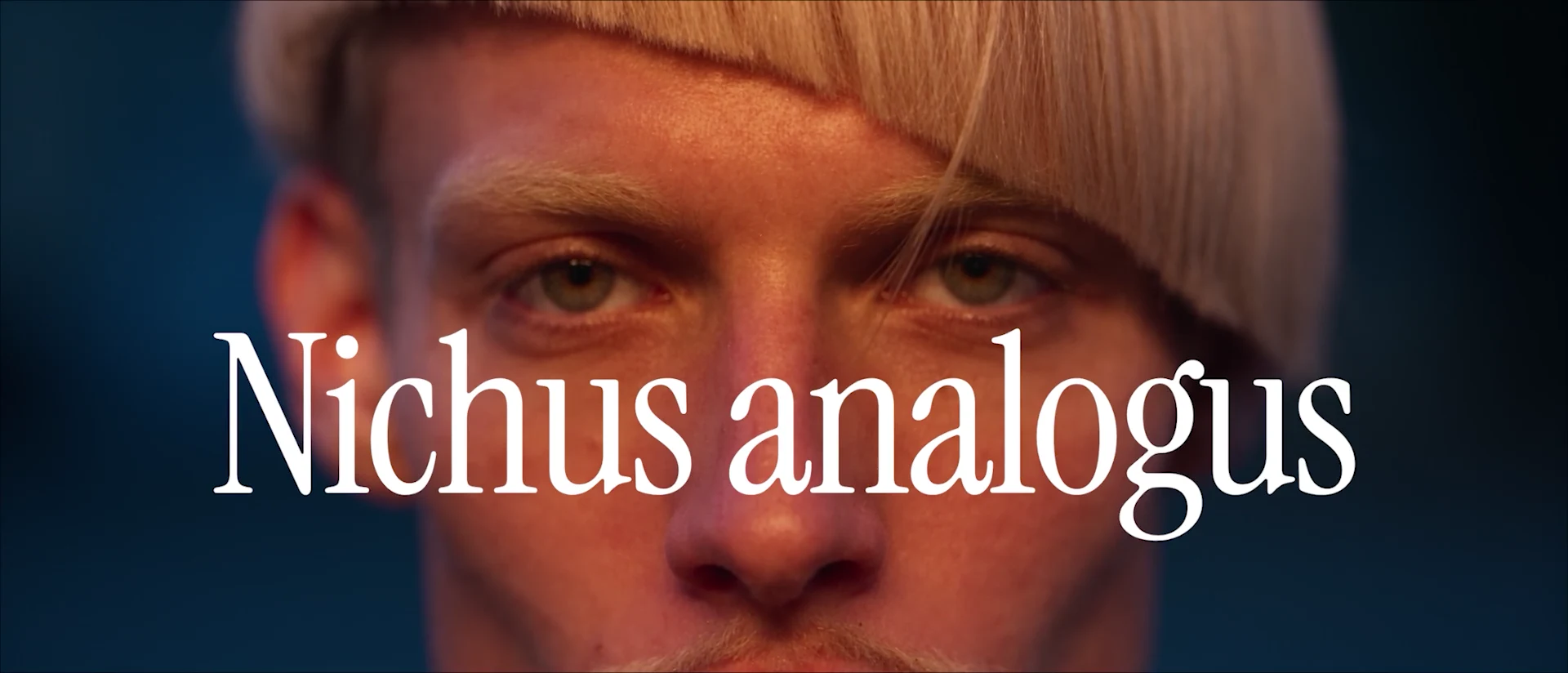
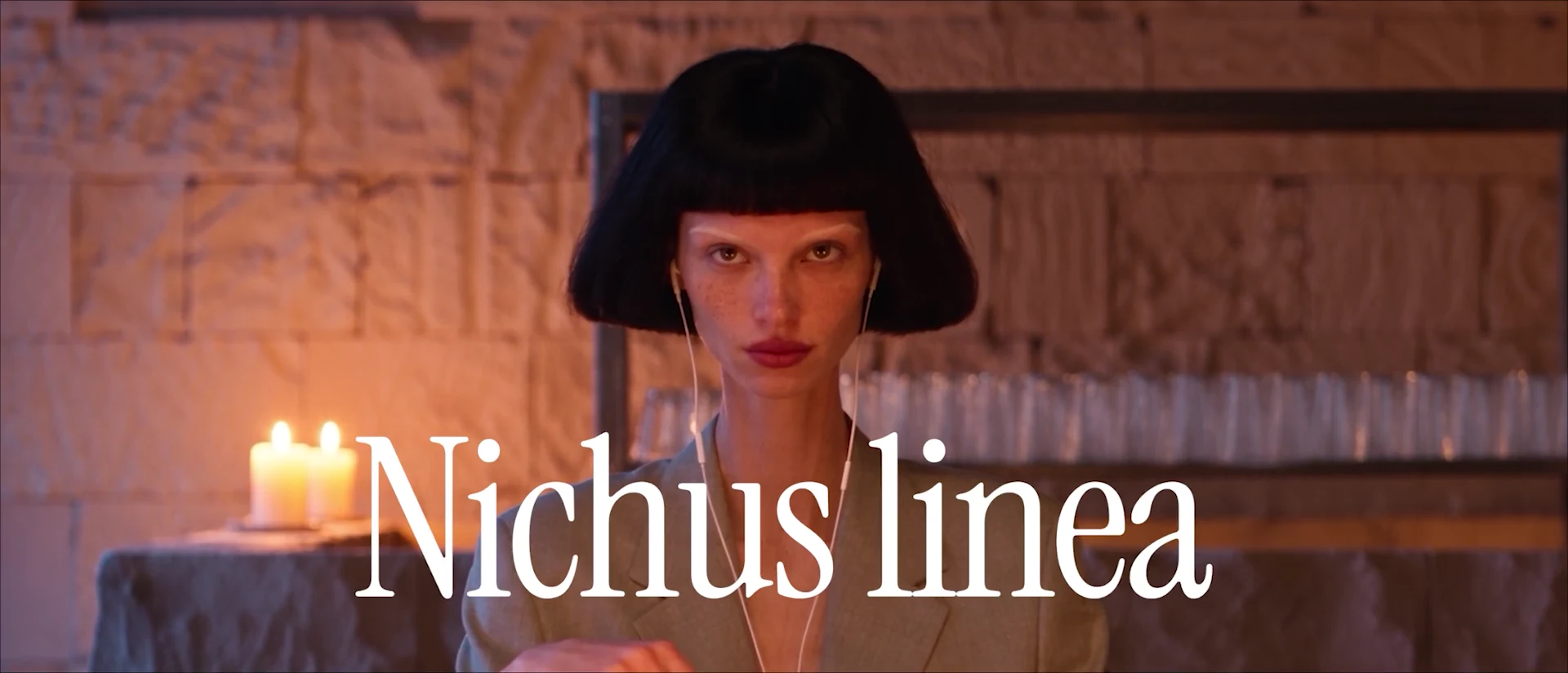
We all know these people — and sometimes we are these people. Records nobody else owns, coffee nobody’s heard of, a hobby that needs explaining. NICHE is about two of them meeting in the same room and starting a quiet duel over who is truly “not like the others.” The film introduces its heroes the way a naturalist would a rare species: Nichus analogus and Nichus linea.
We didn’t want a tech demo. We wanted cinema: characters you root for, pauses, glances, and a punchline at the end. The technology should disappear — the audience should be watching a story, not wondering how it was made.
02
Cinema-grade images, no set
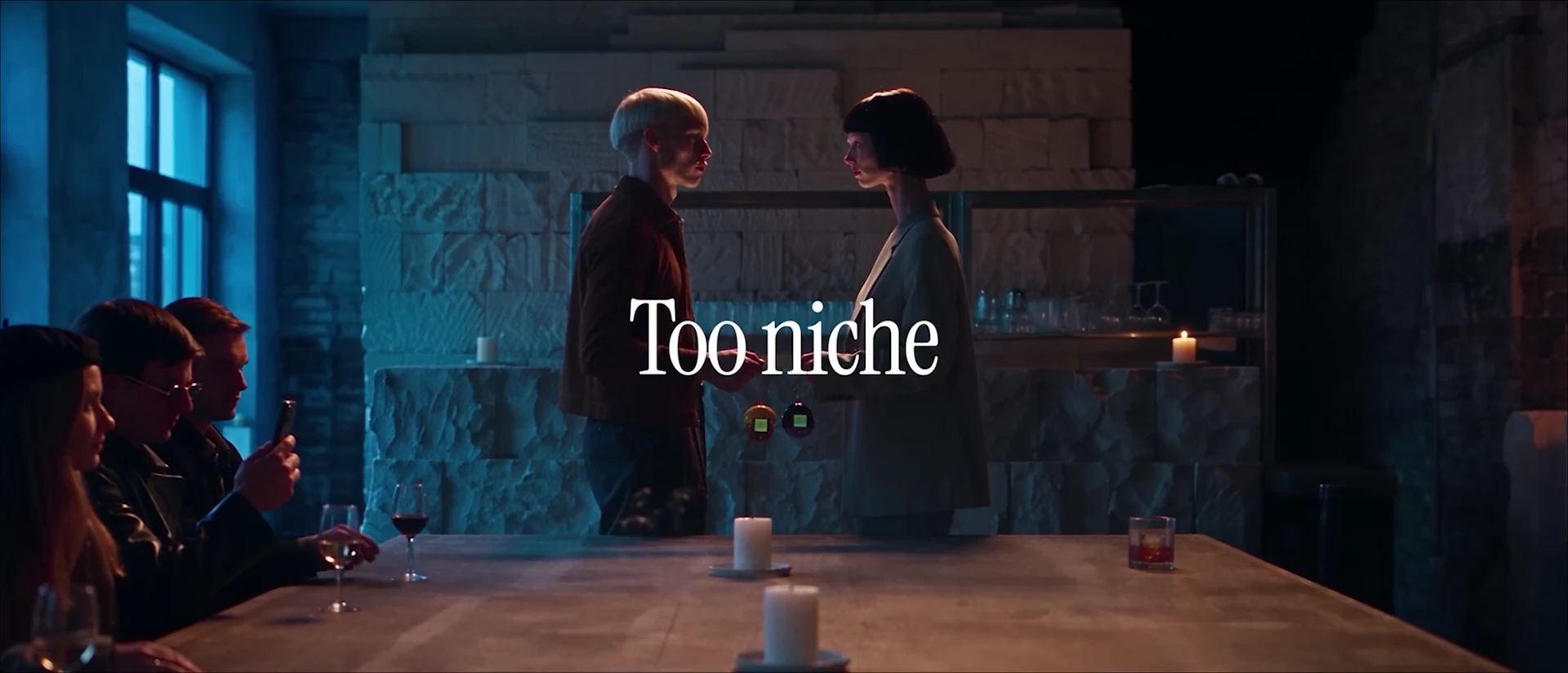
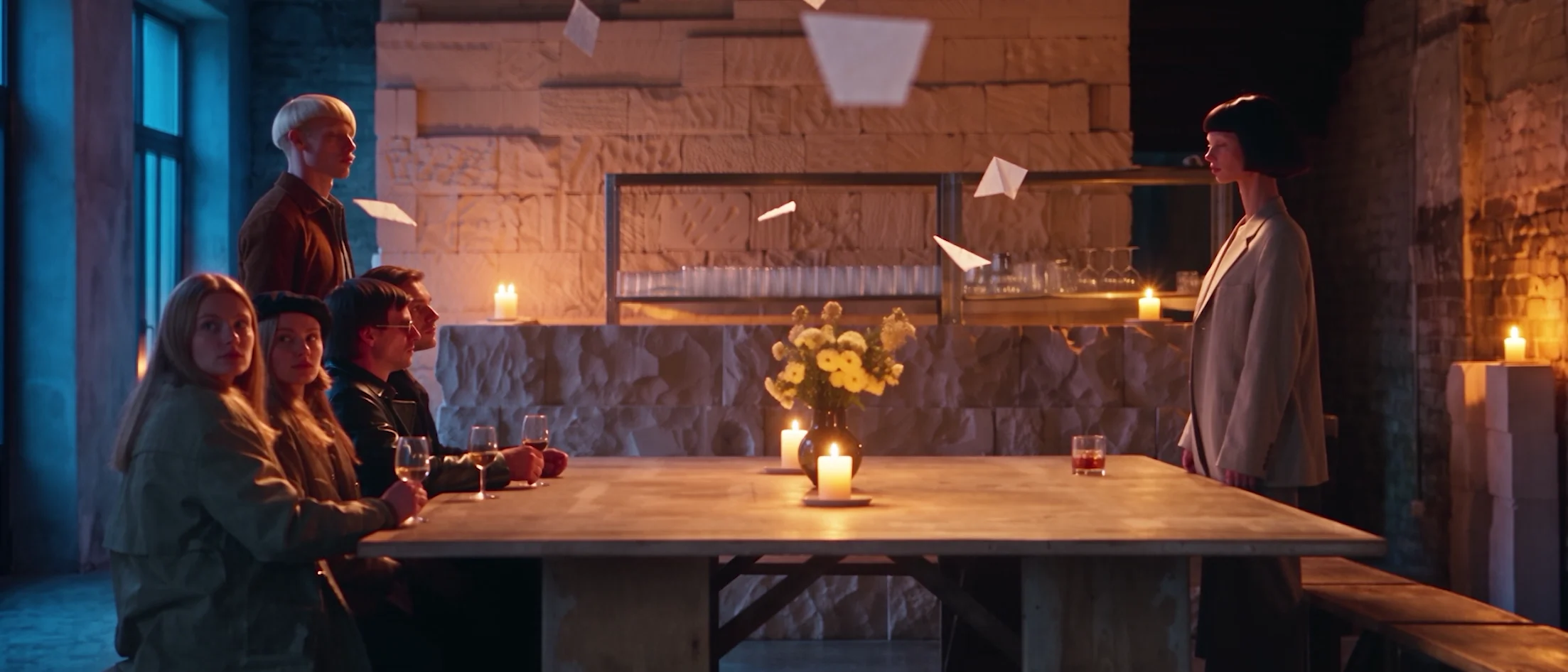
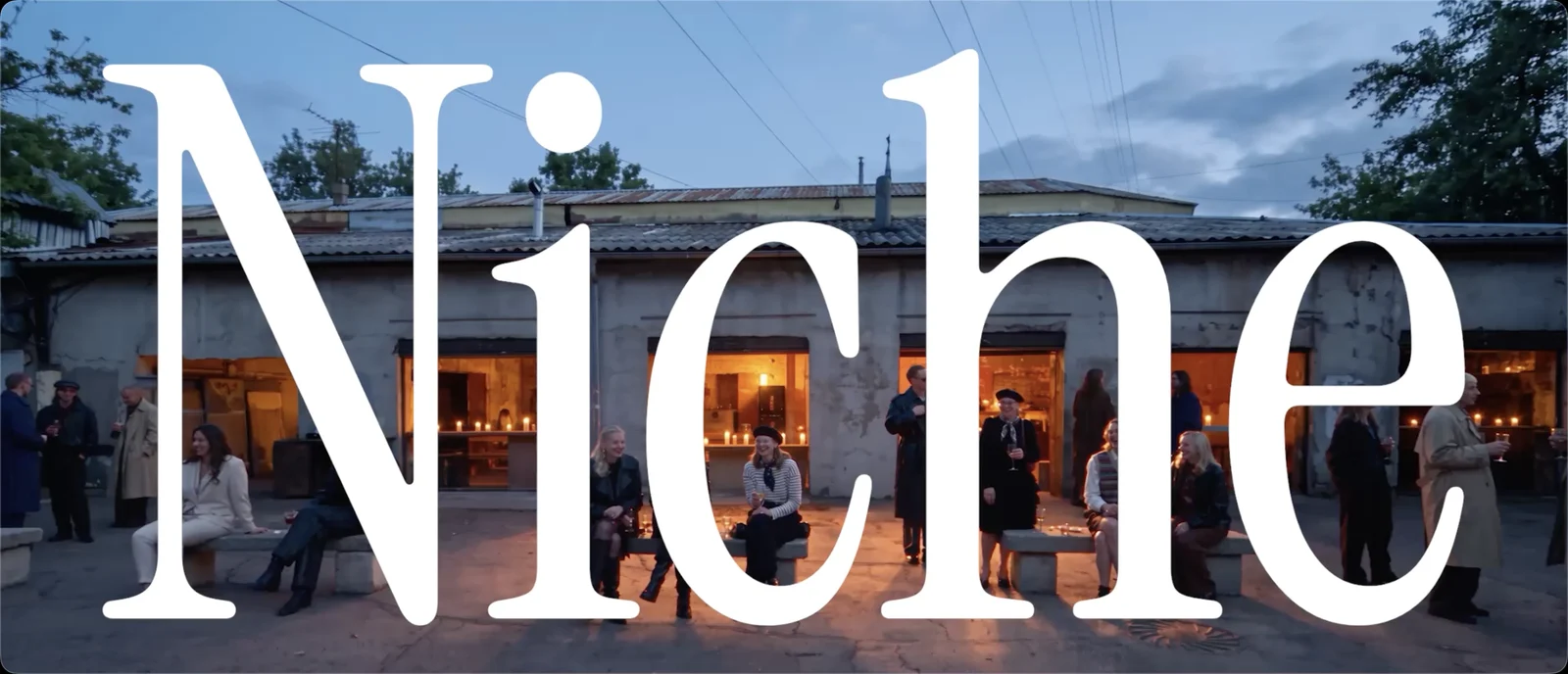
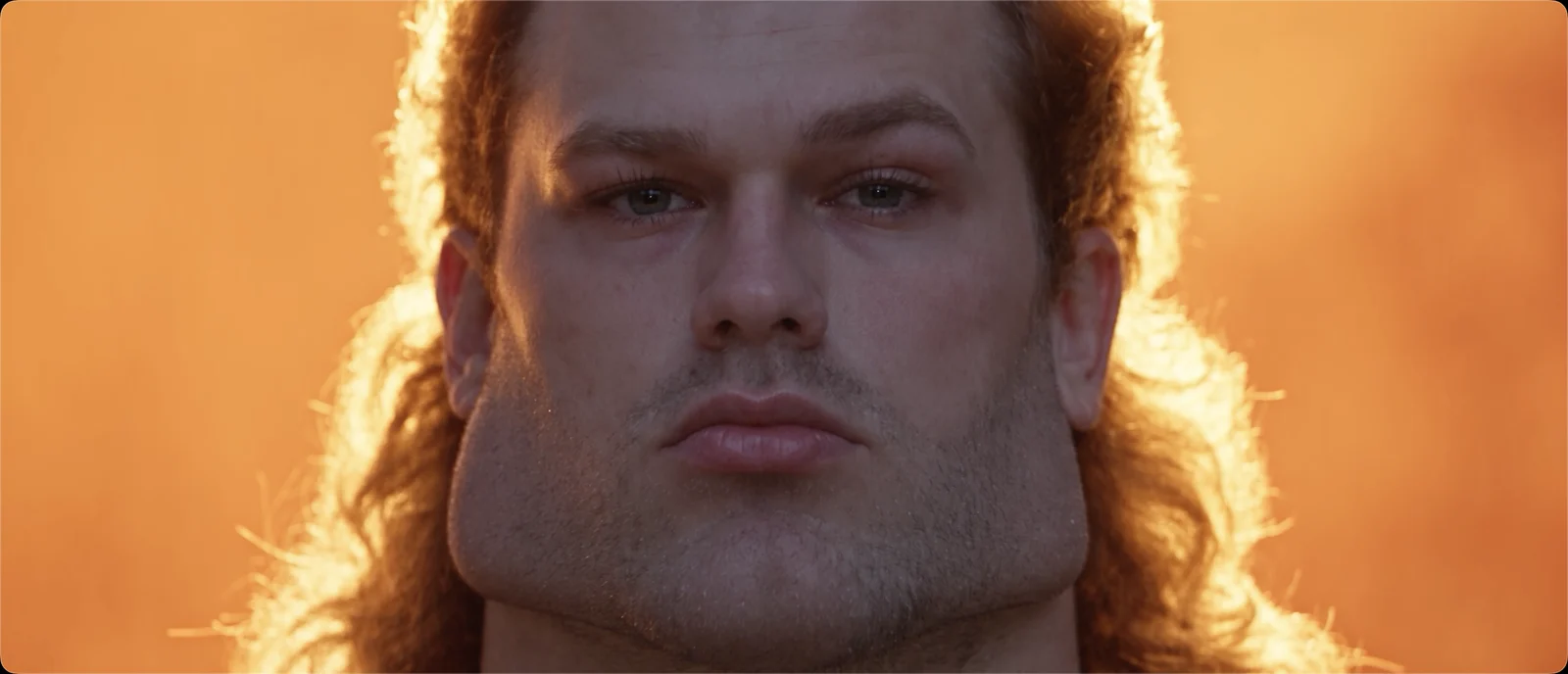
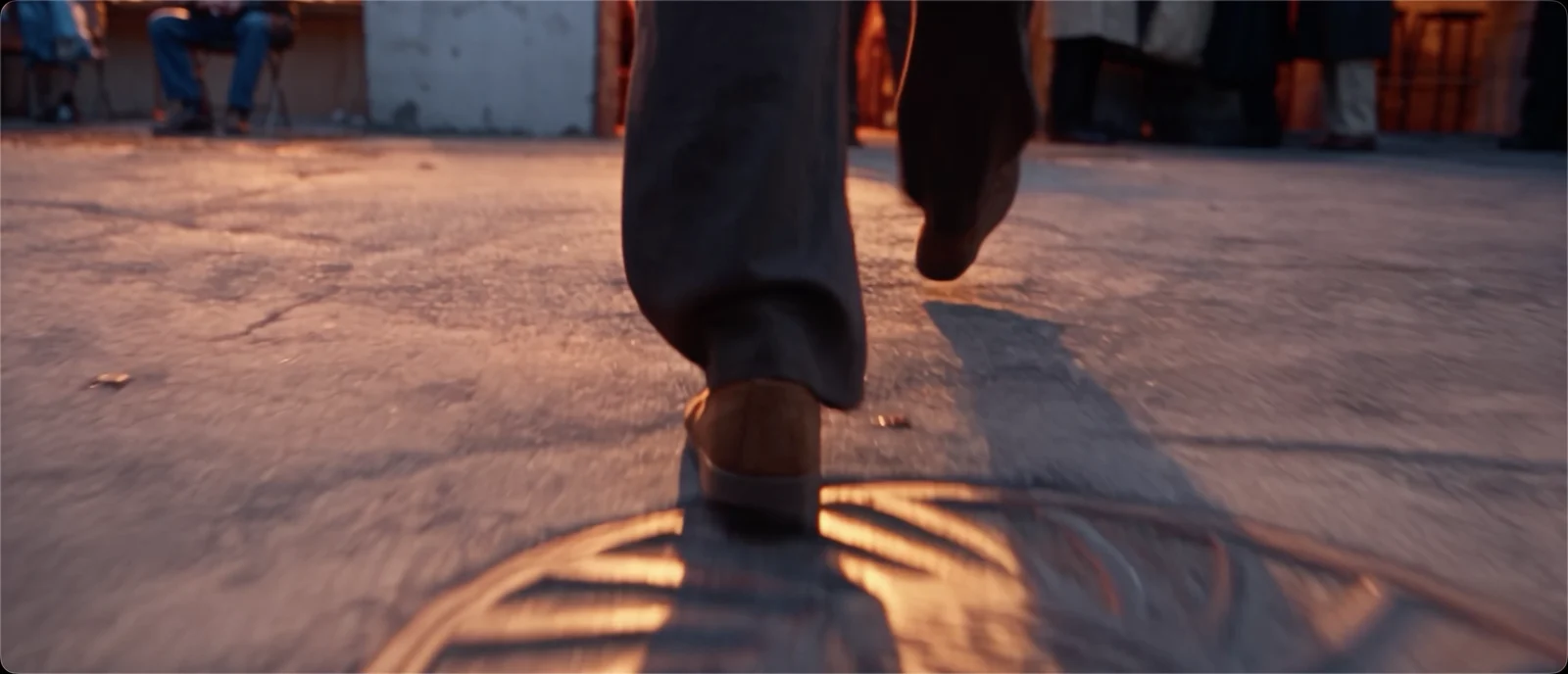
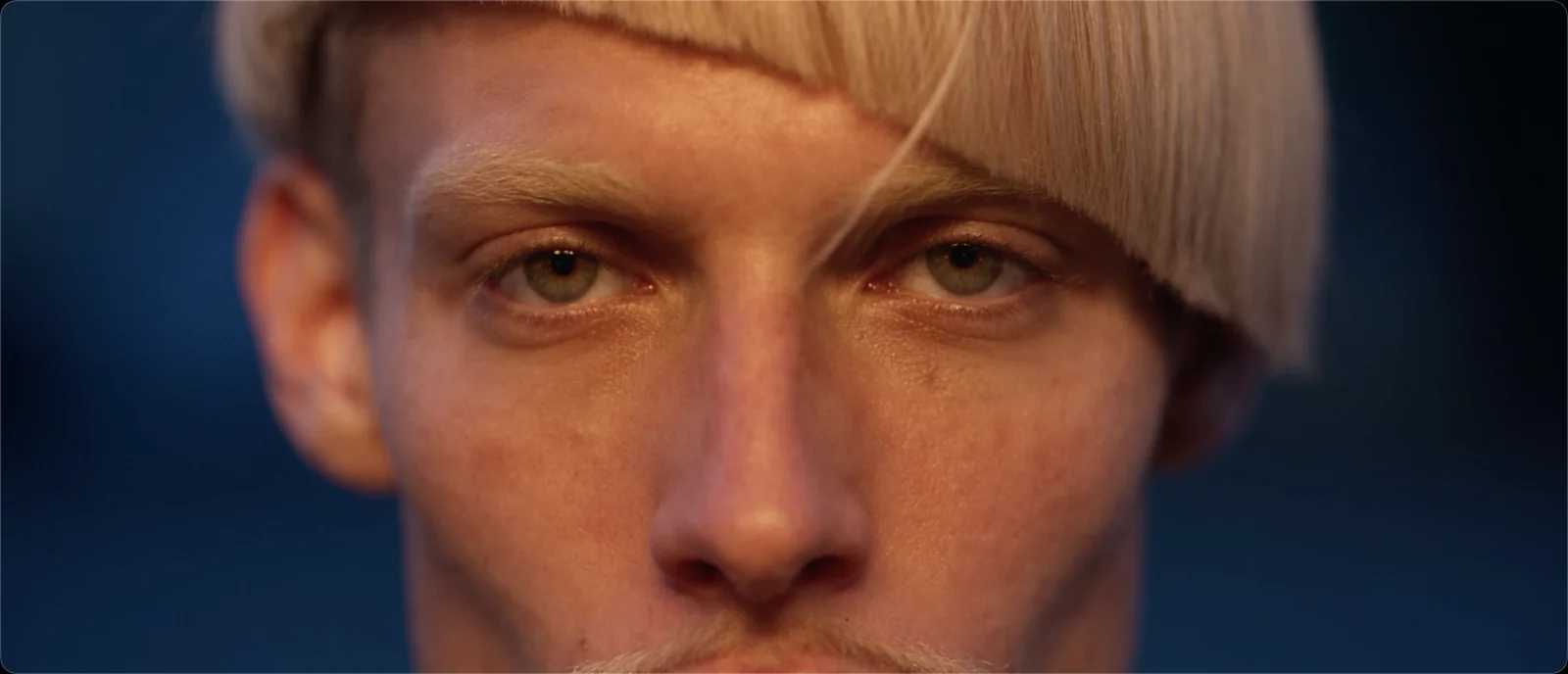
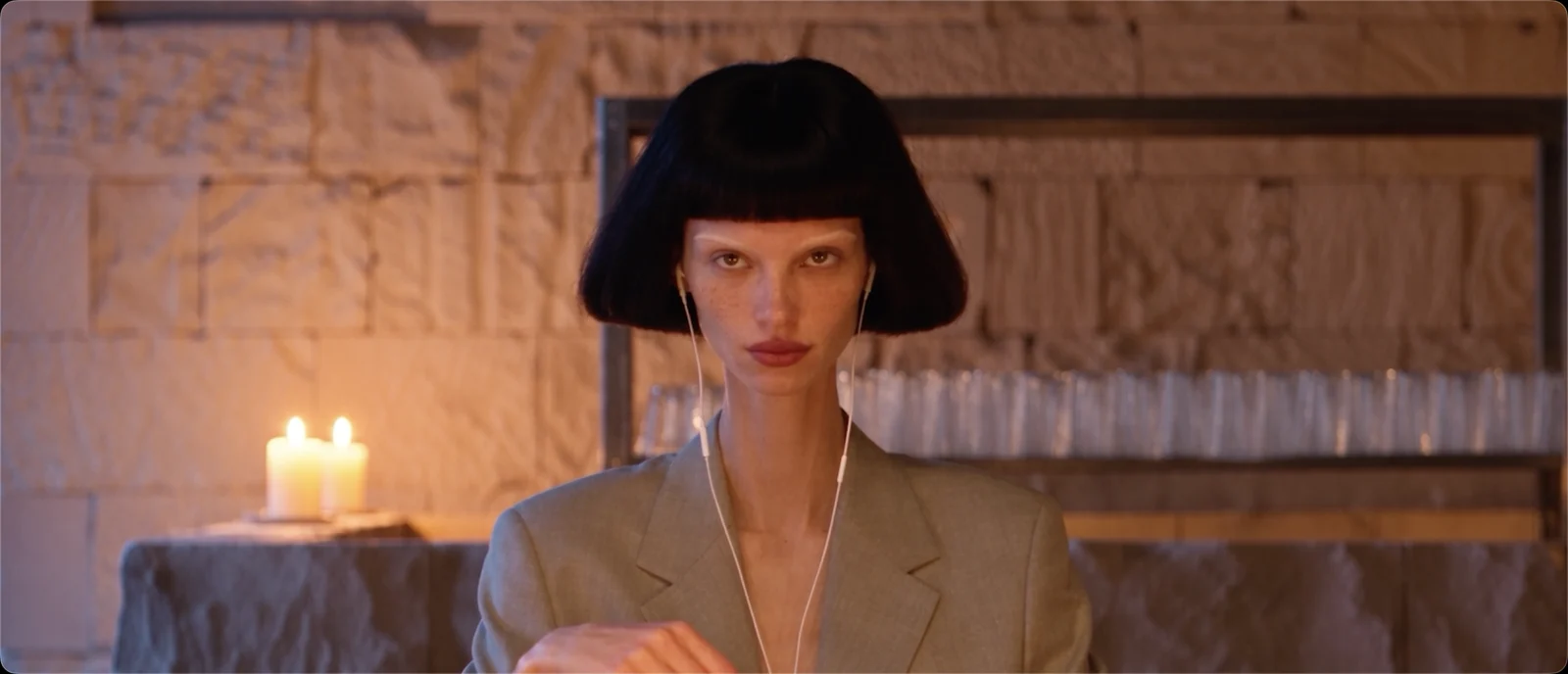
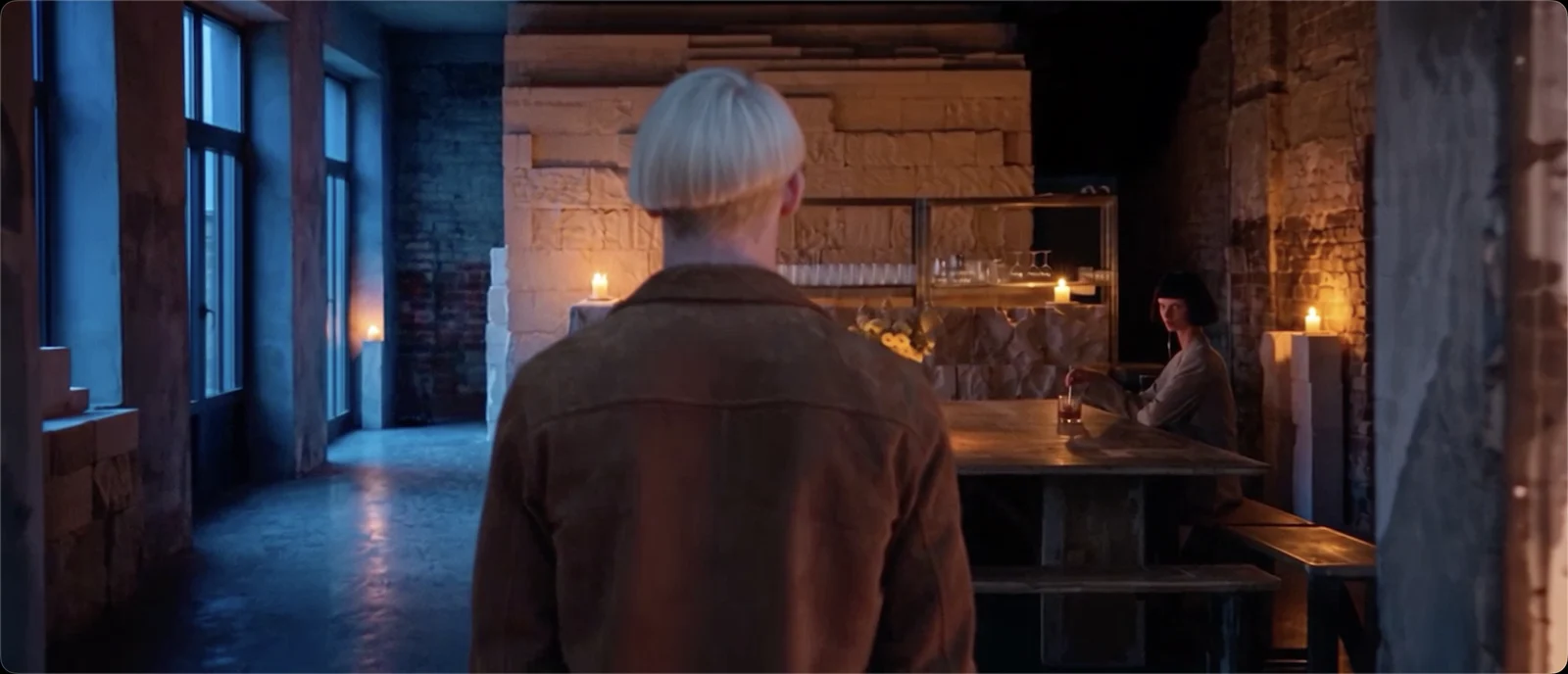
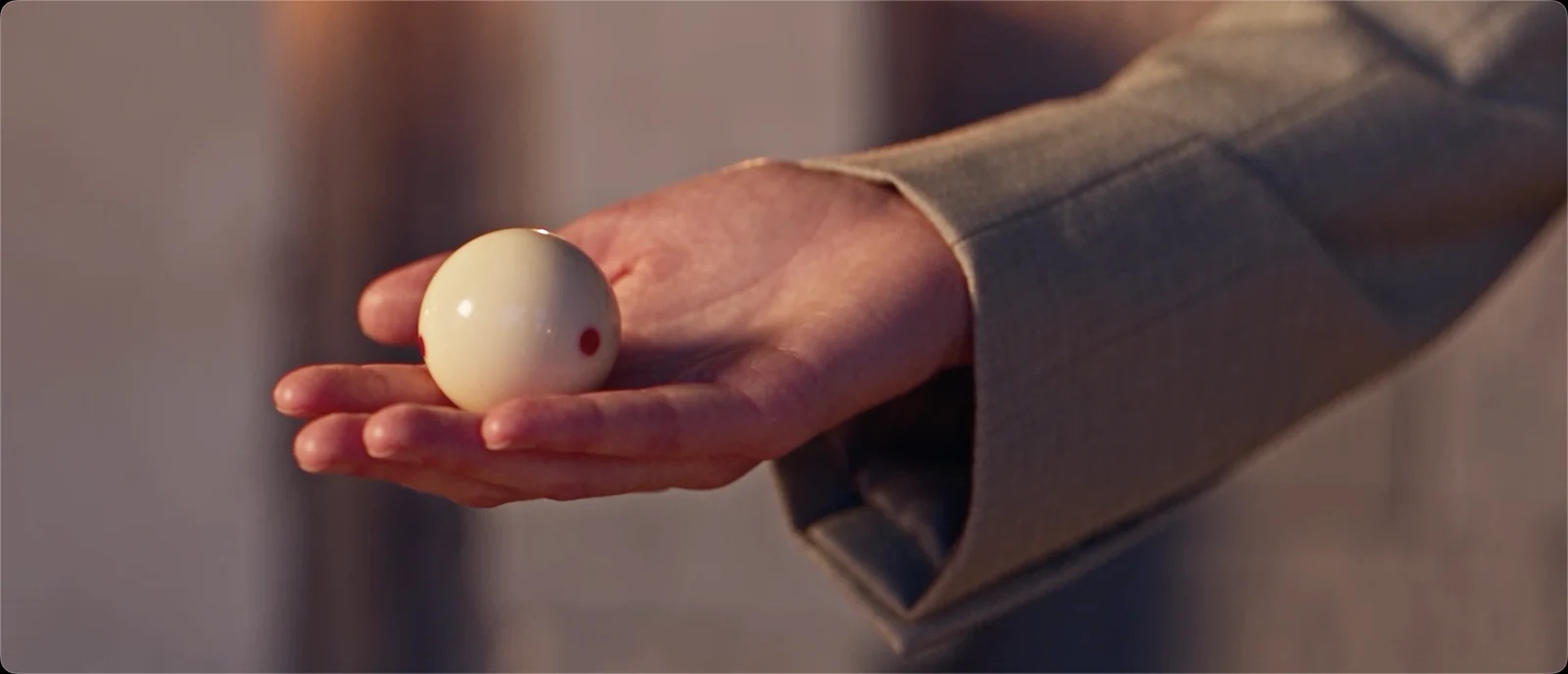
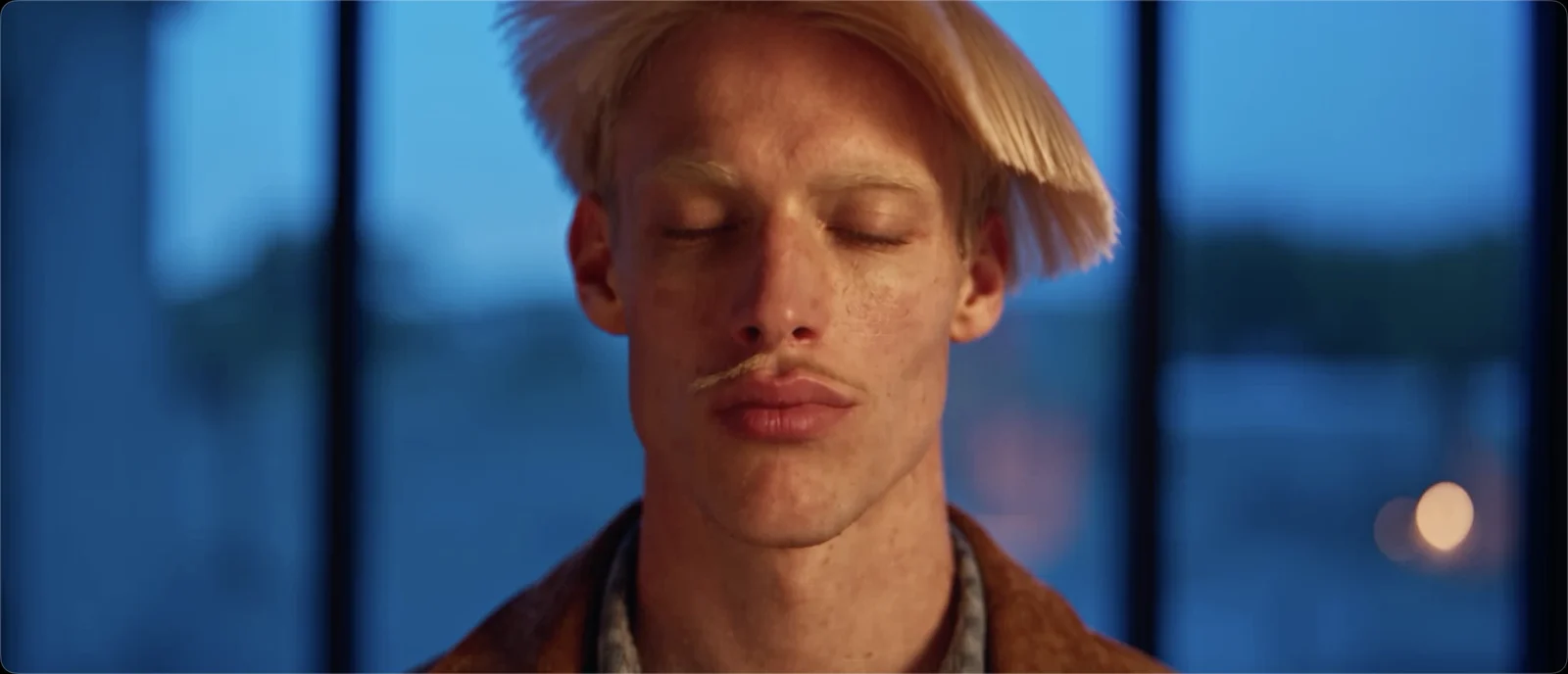
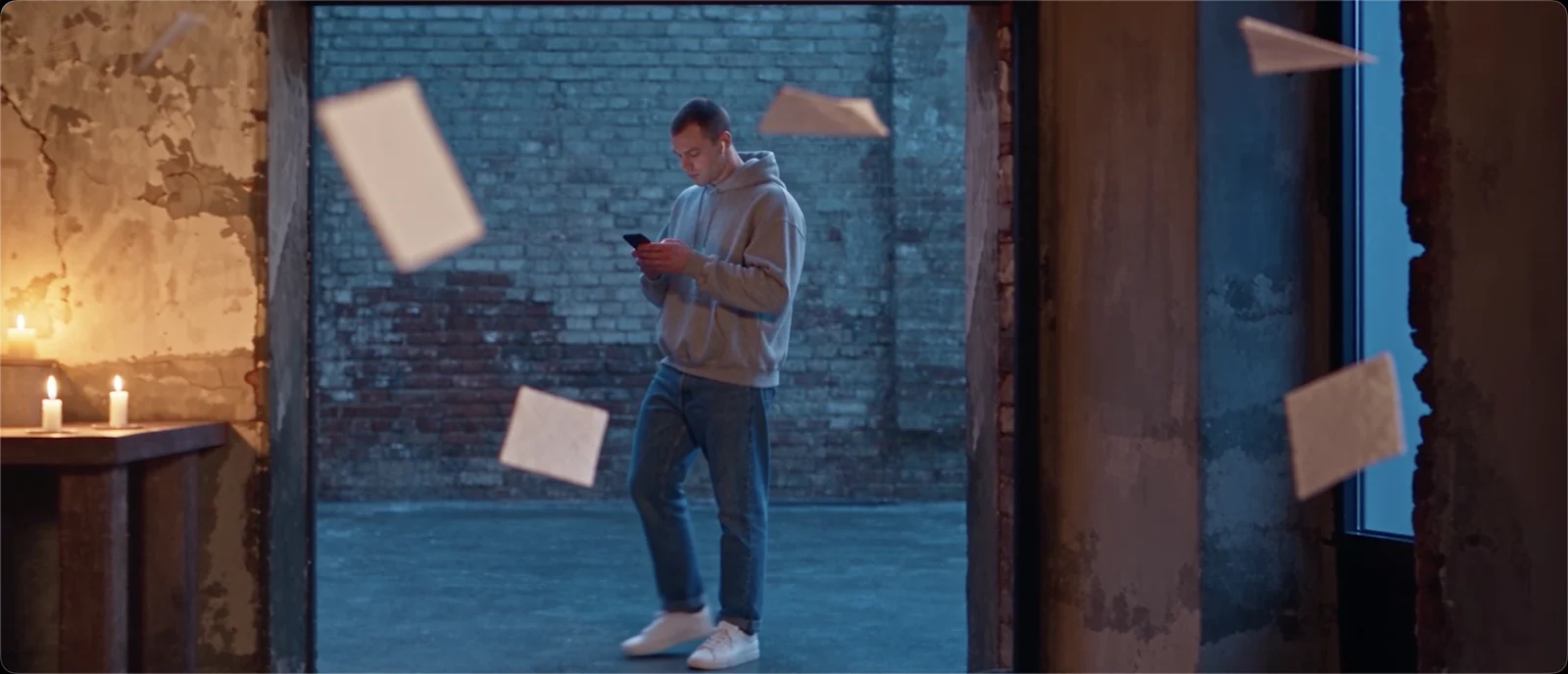
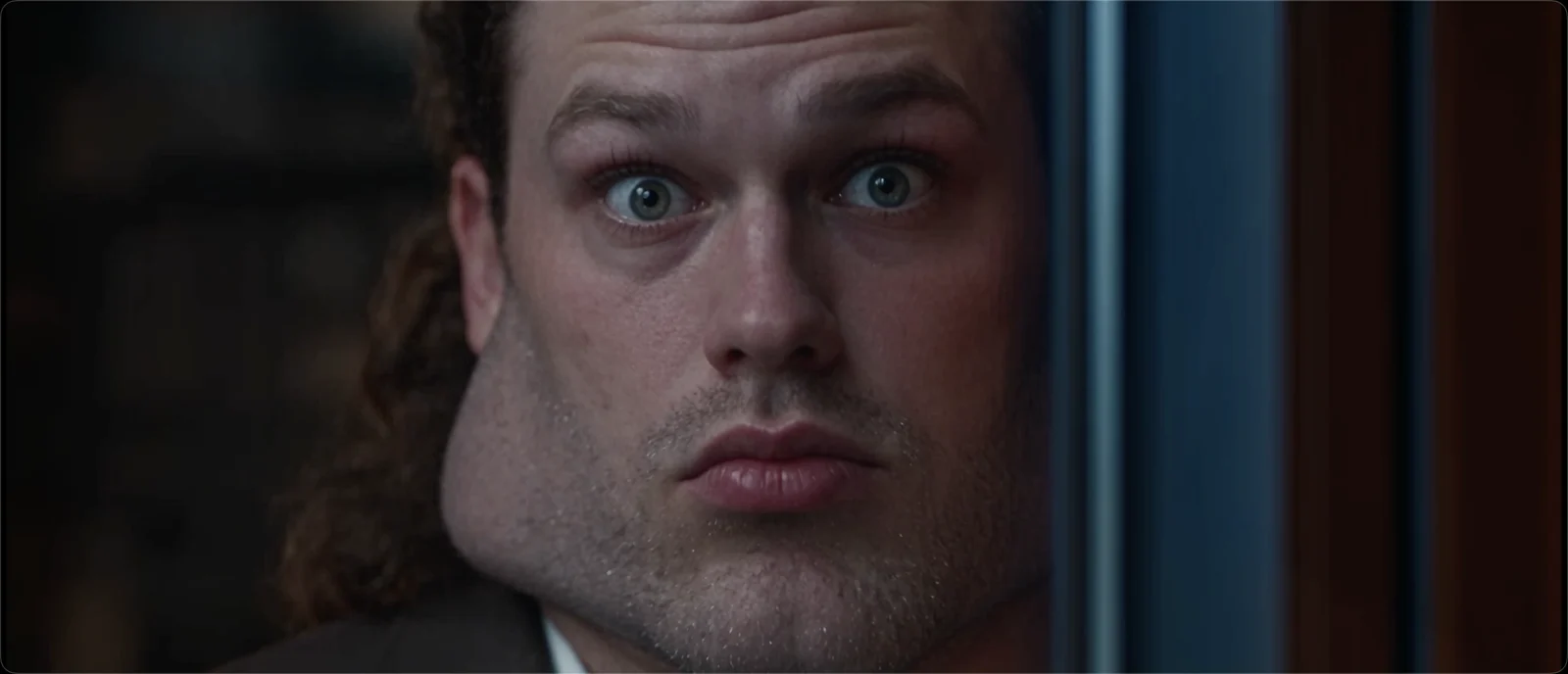
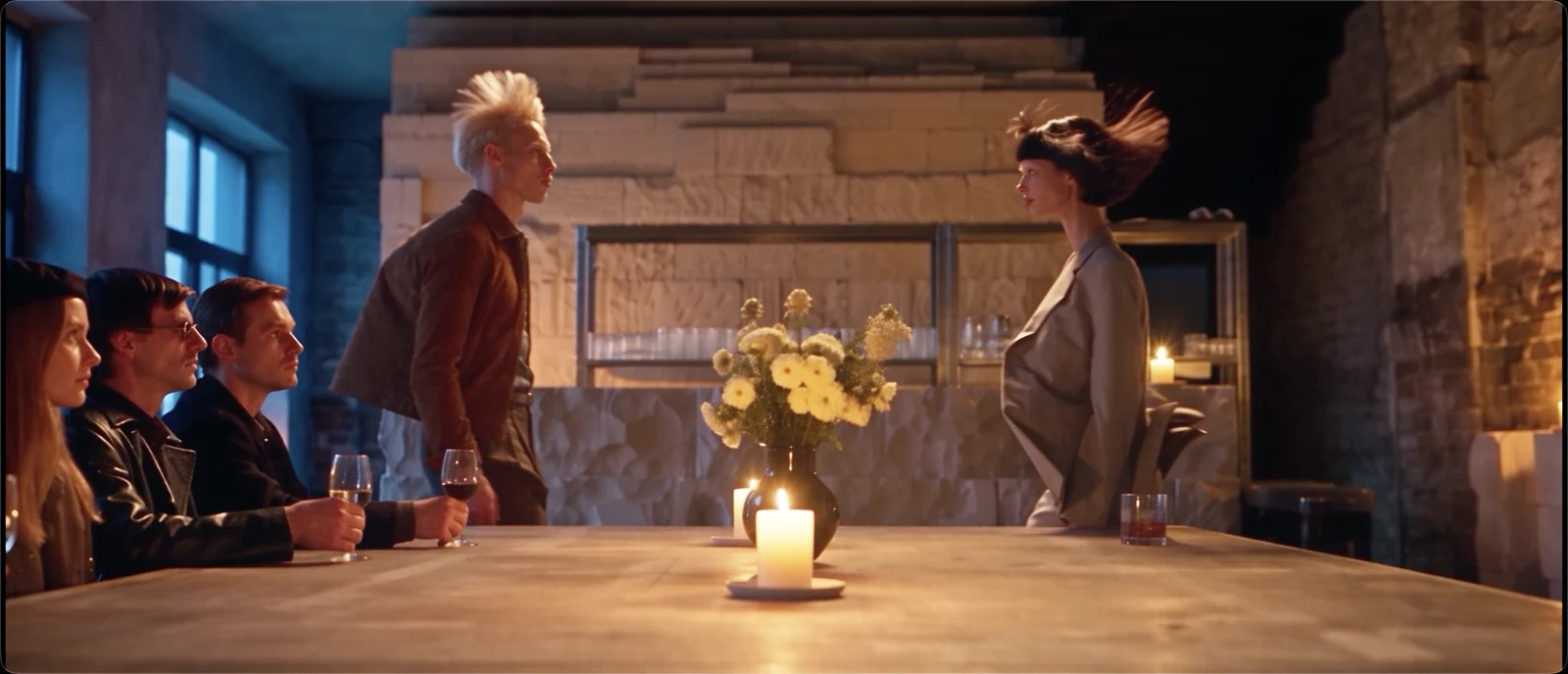
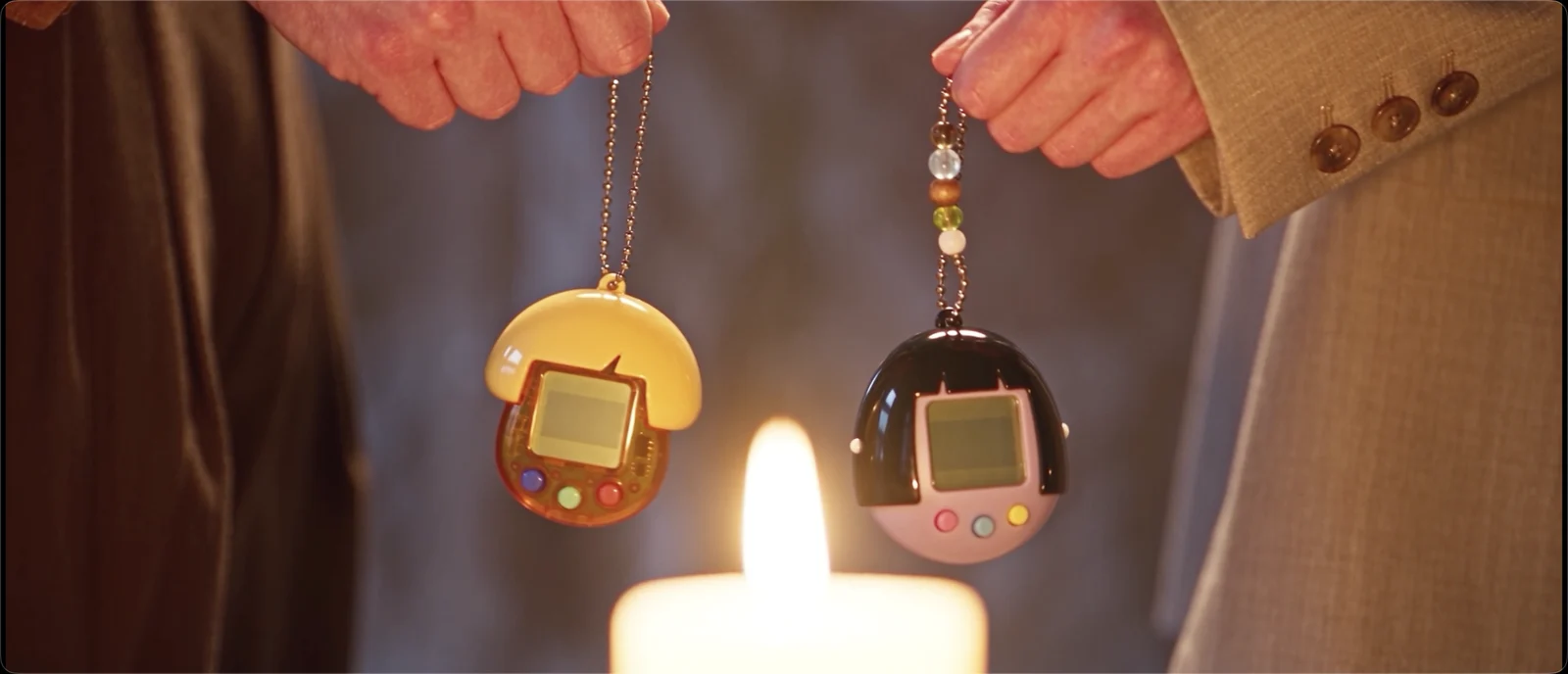
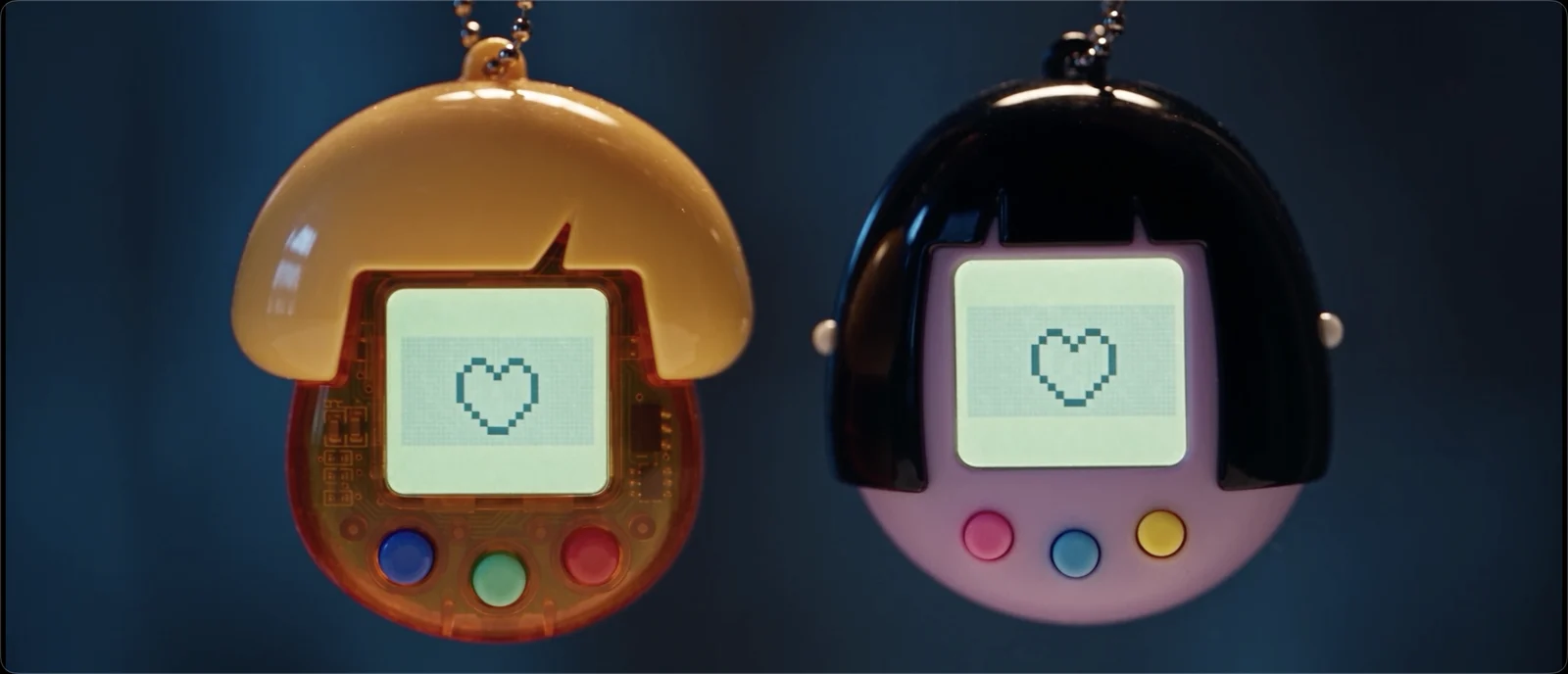
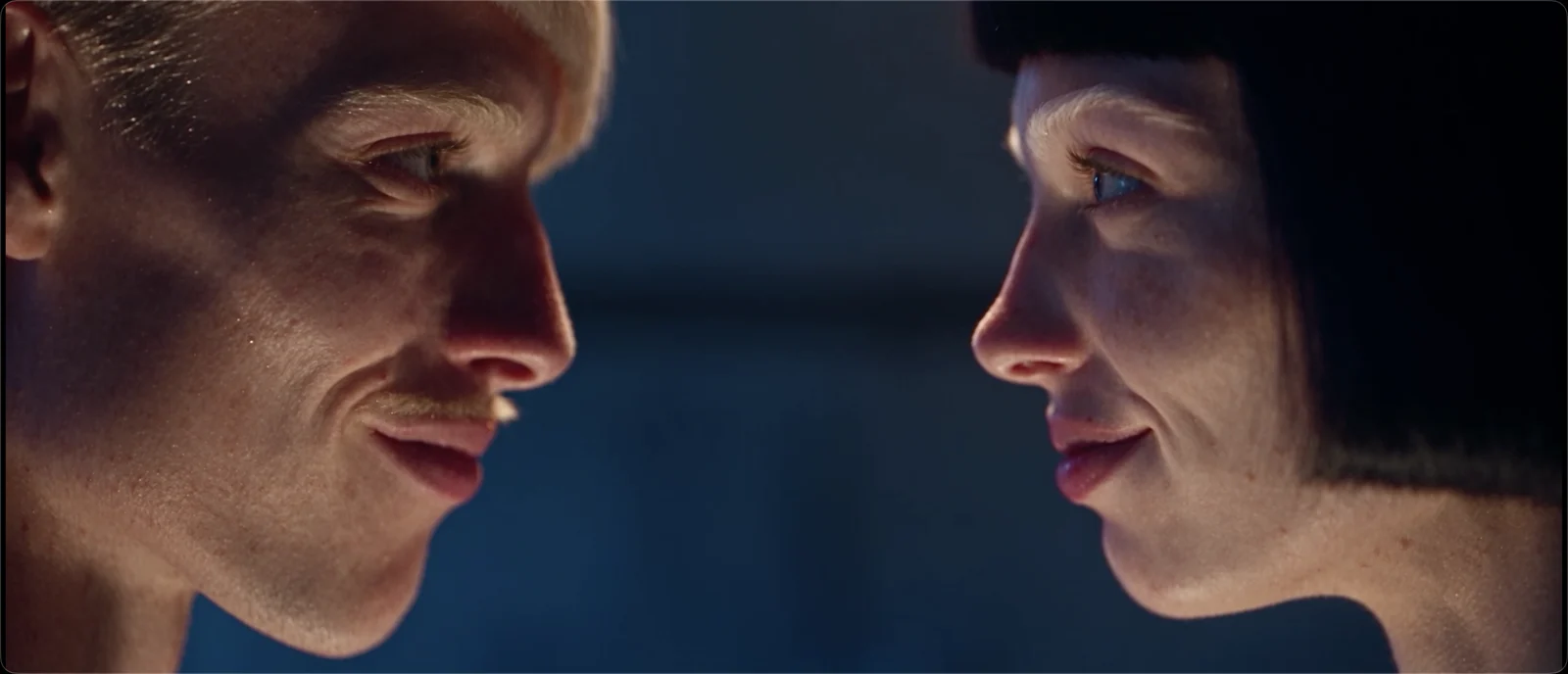
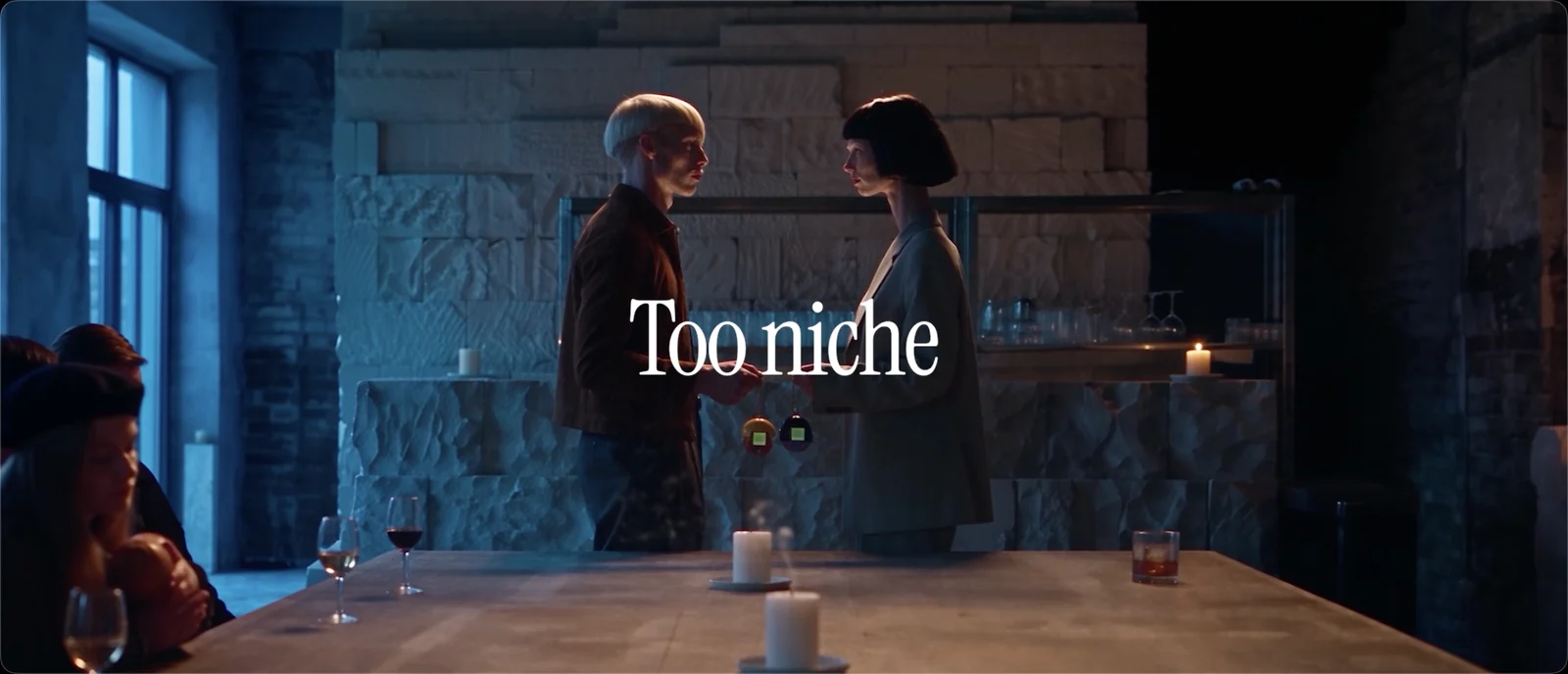
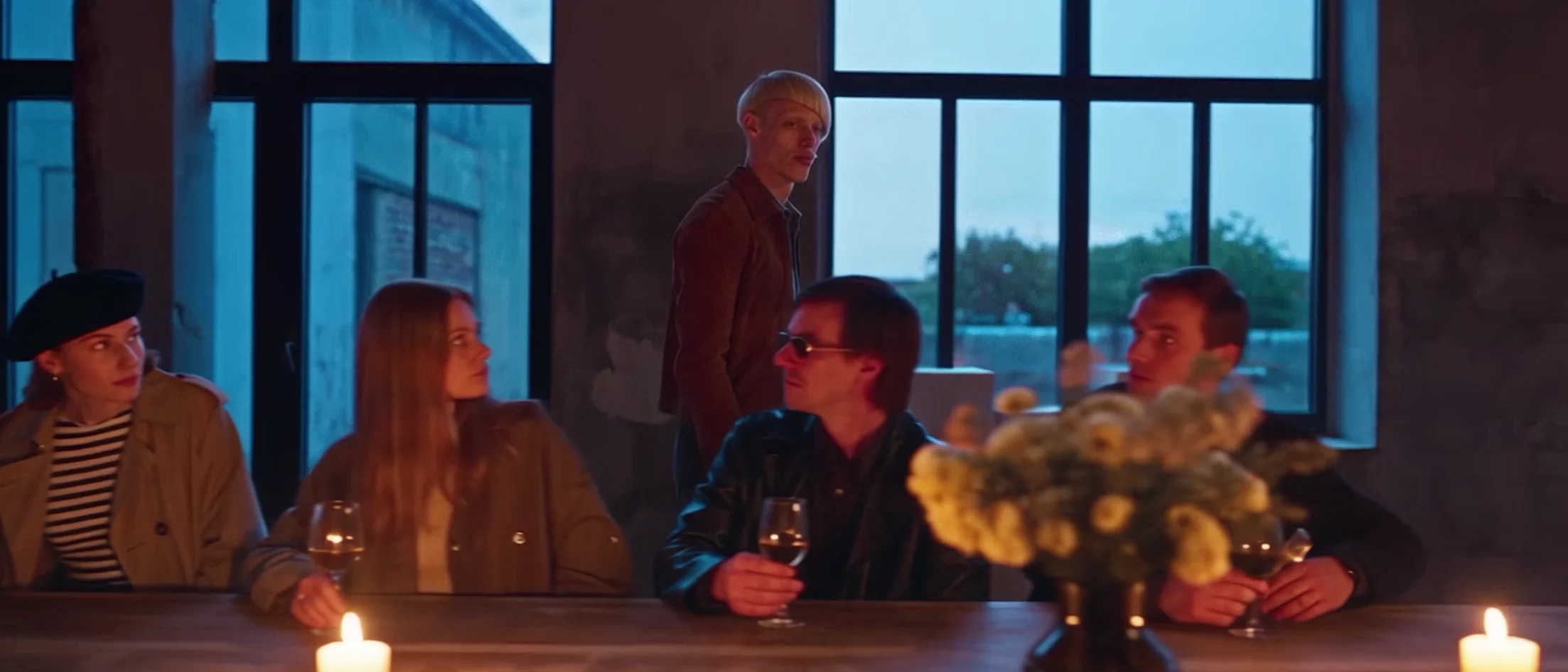
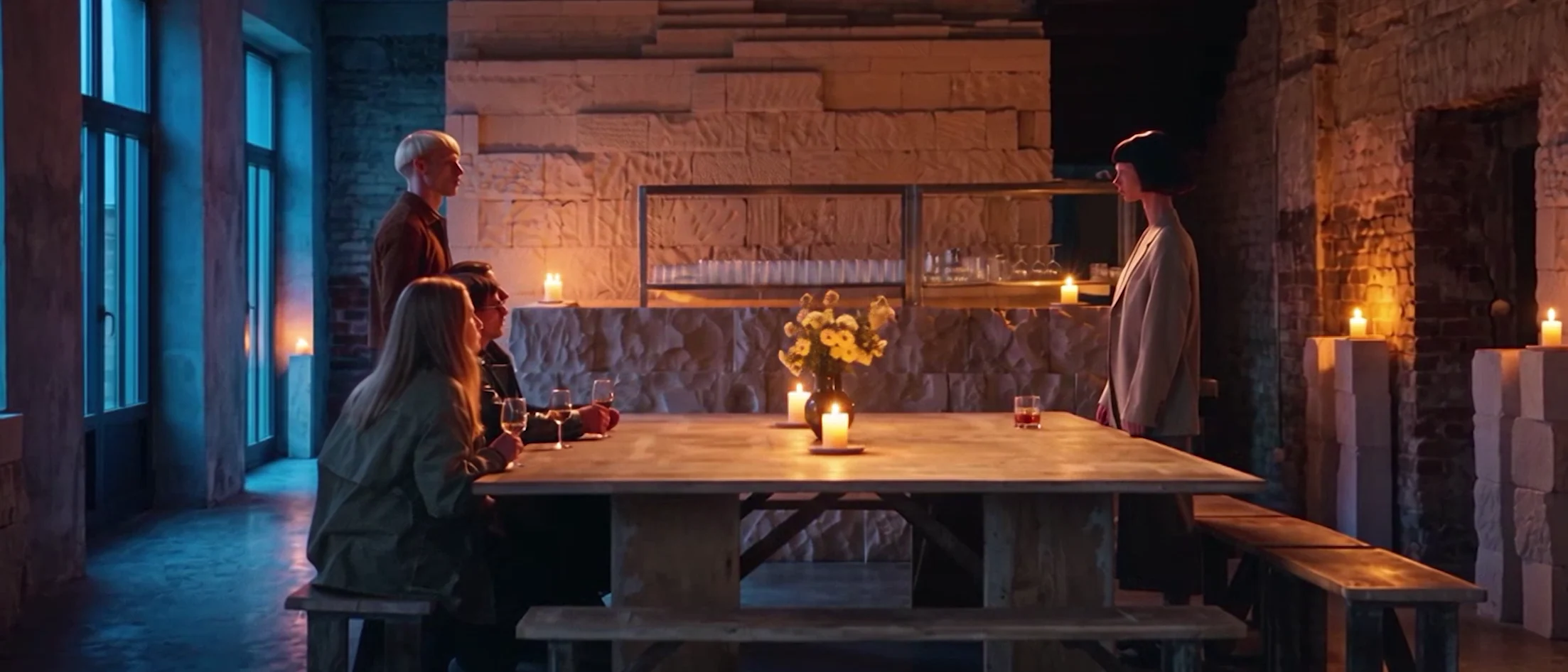
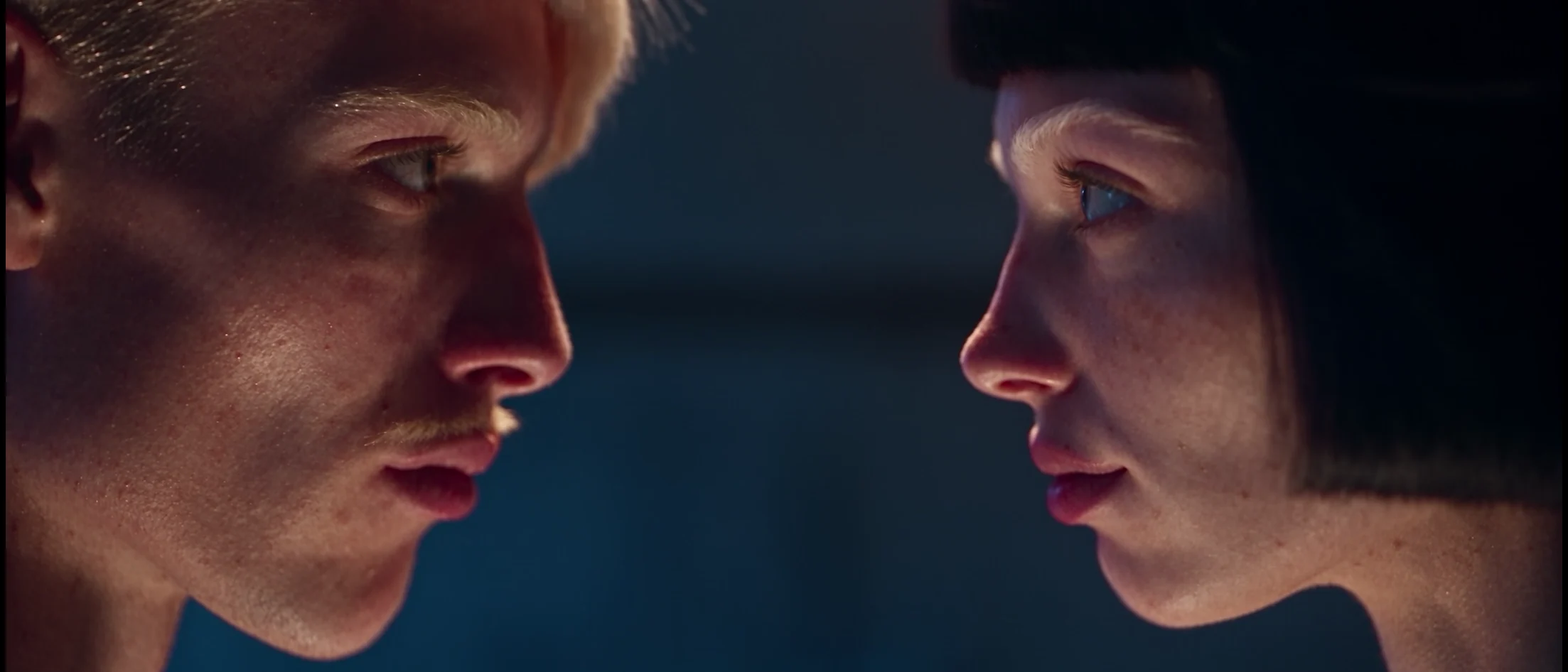
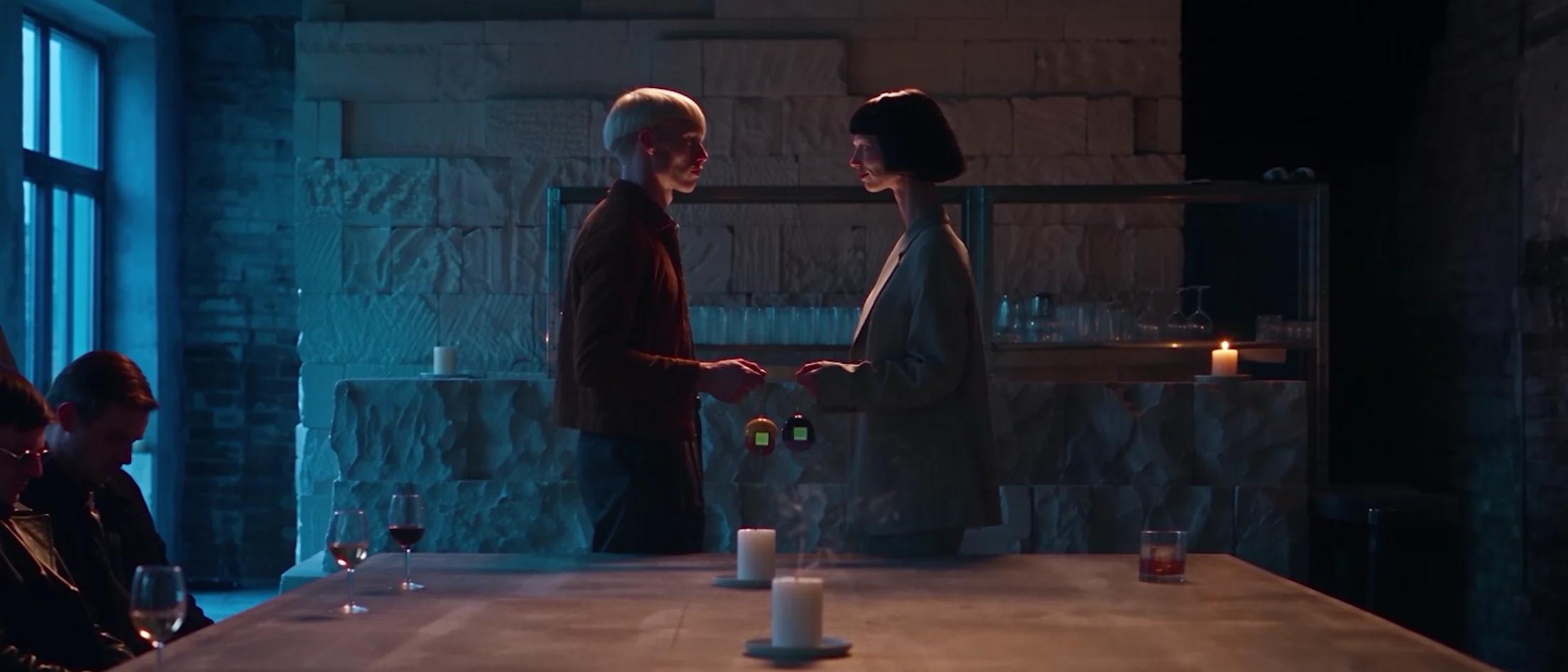
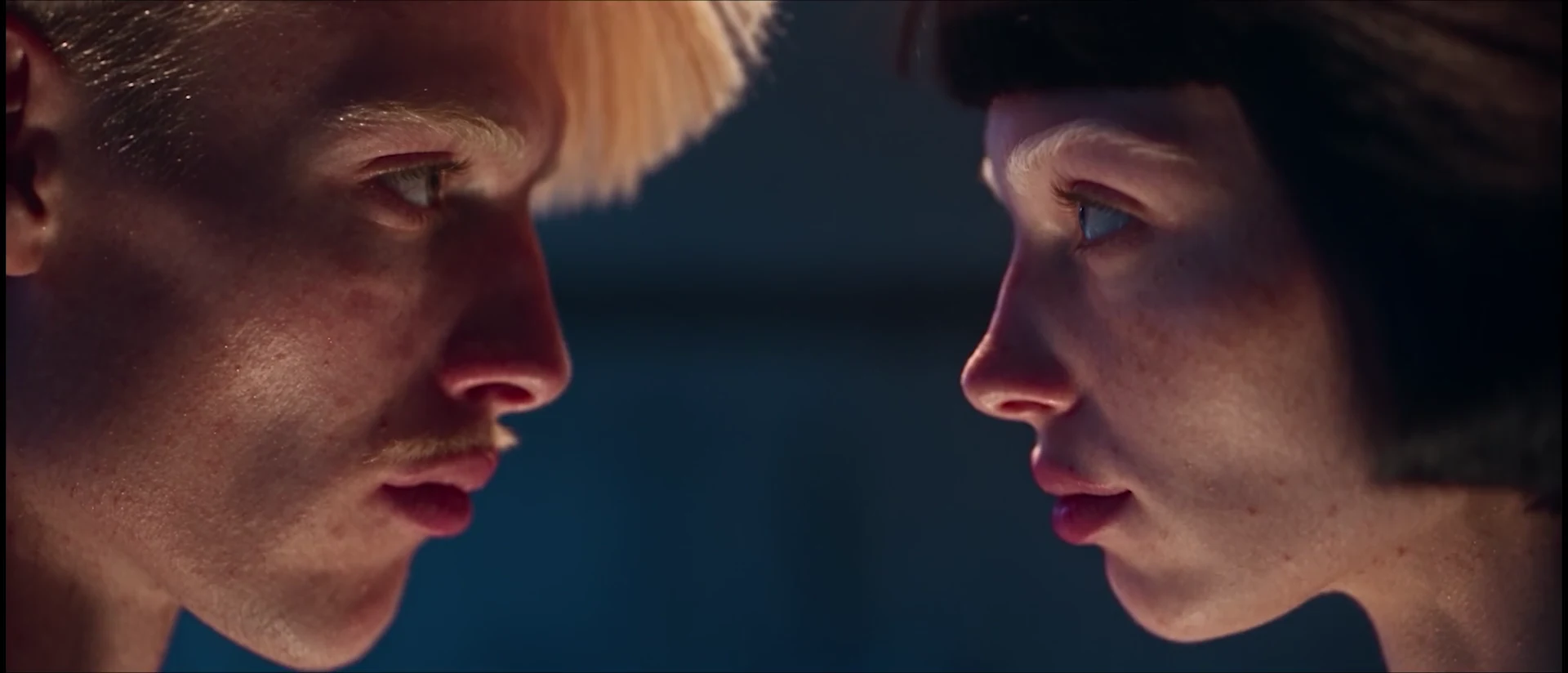
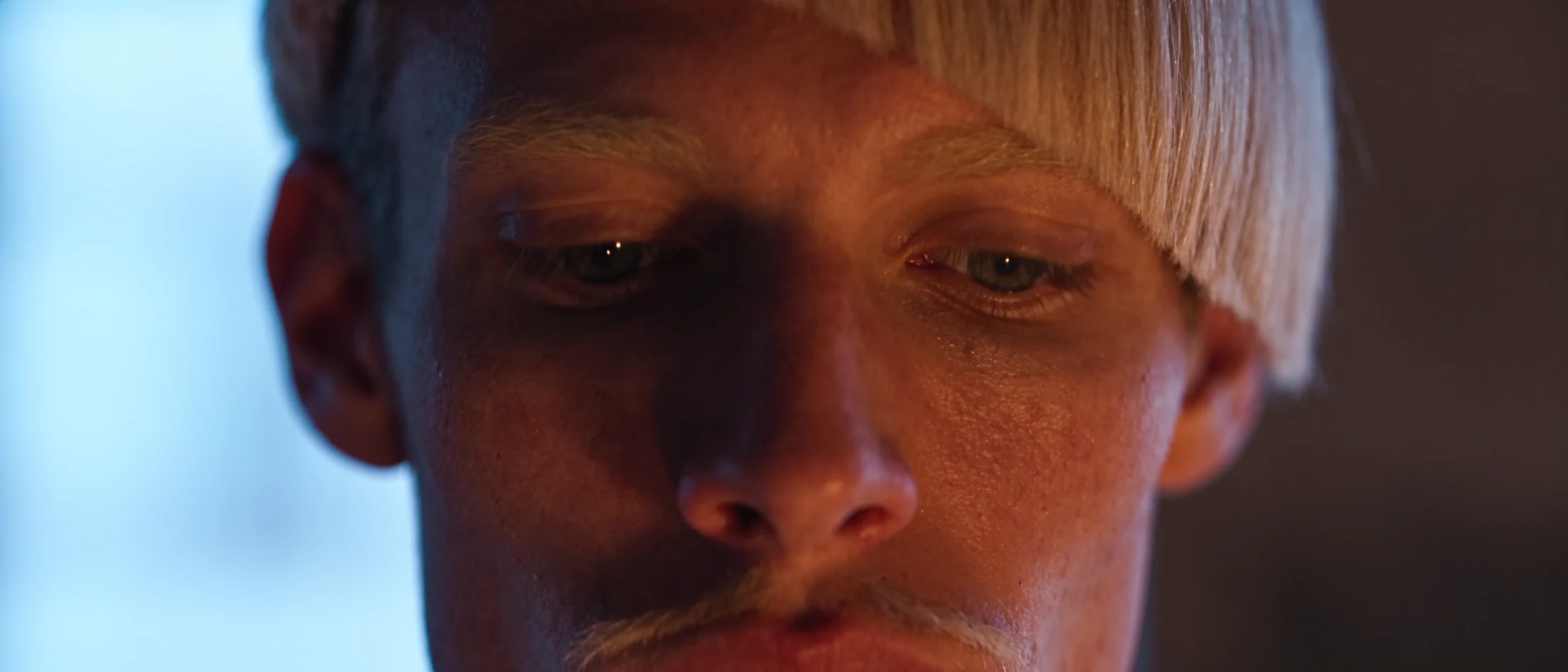
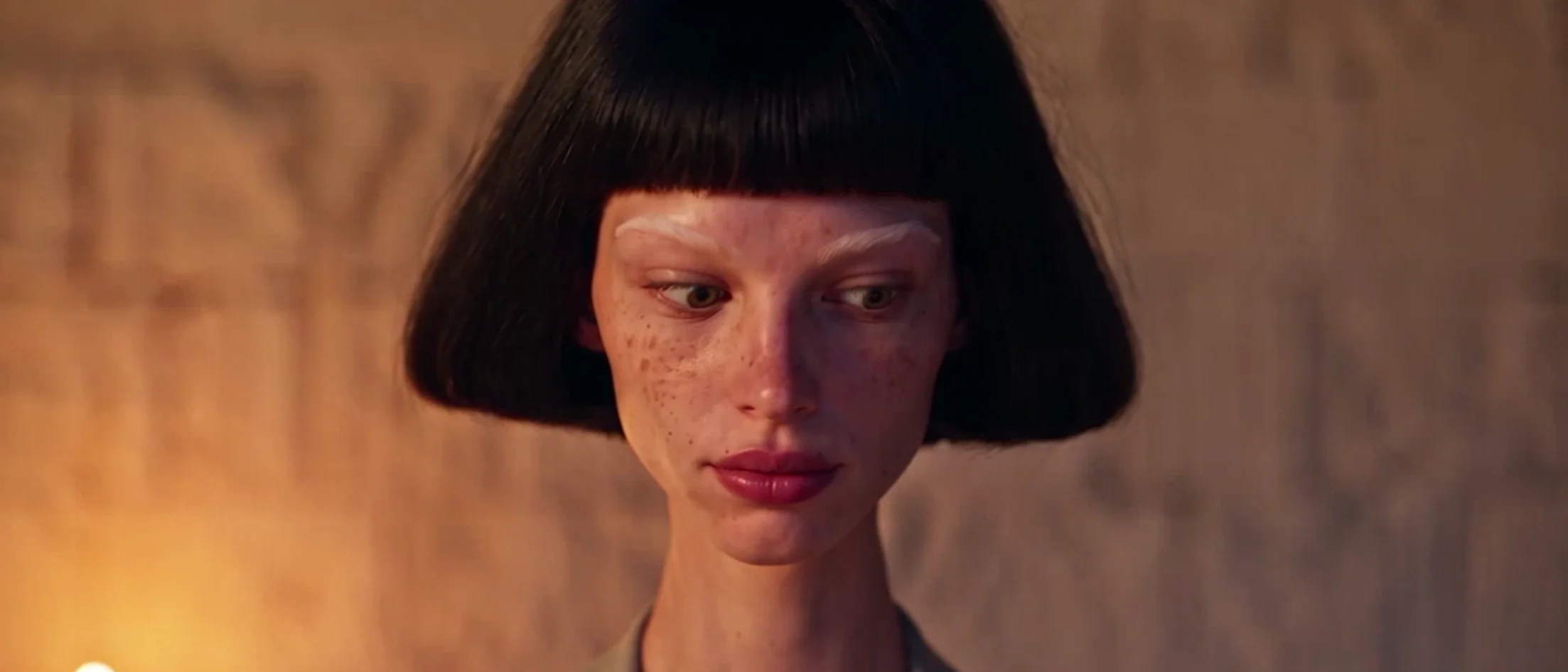
Five acts: the door check, a chance glance, the staredown, a duel of hobbies and the finale. No shoot days, no rented locations, no actors on set — yet the light, the texture and the space breathe like a real film. Warm candlelight against the blue evening outside, close-ups where you can count the freckles. Key frames below, in order.
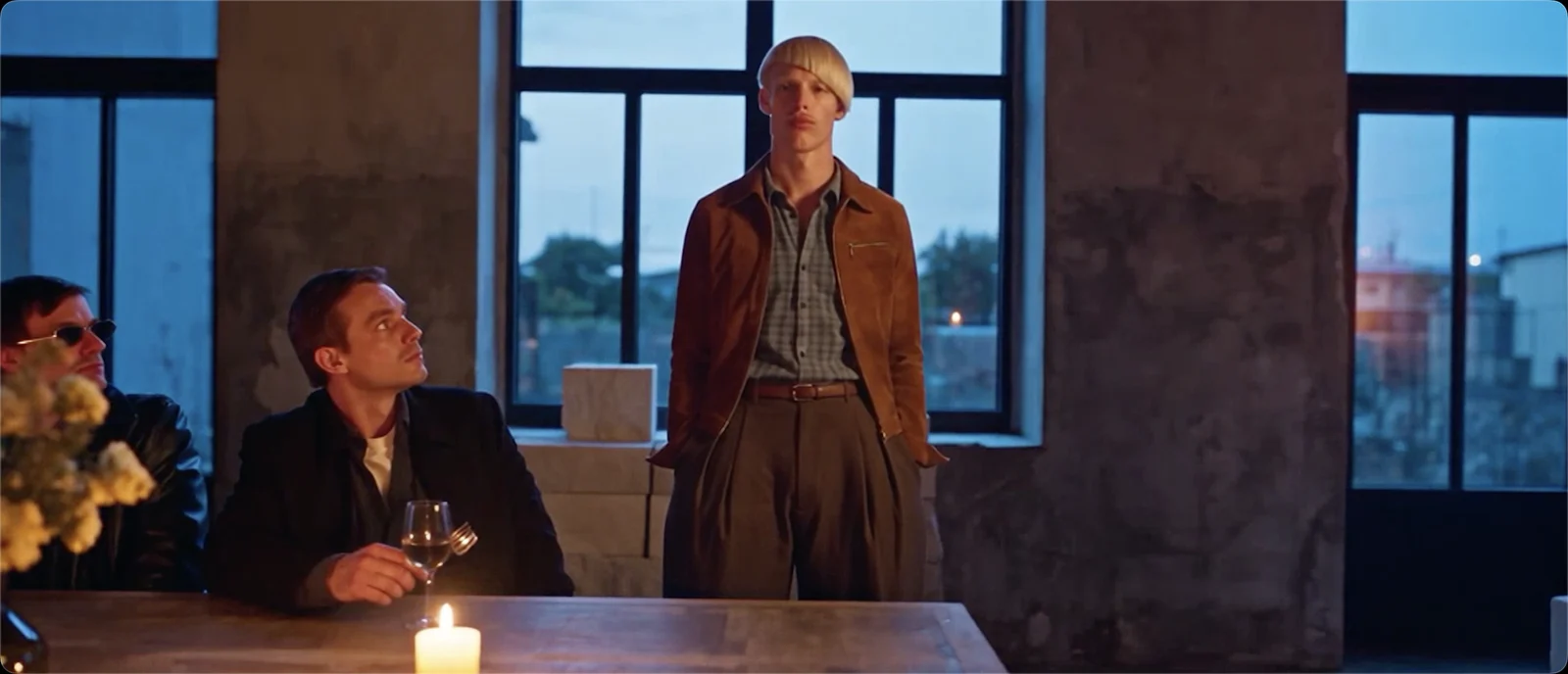
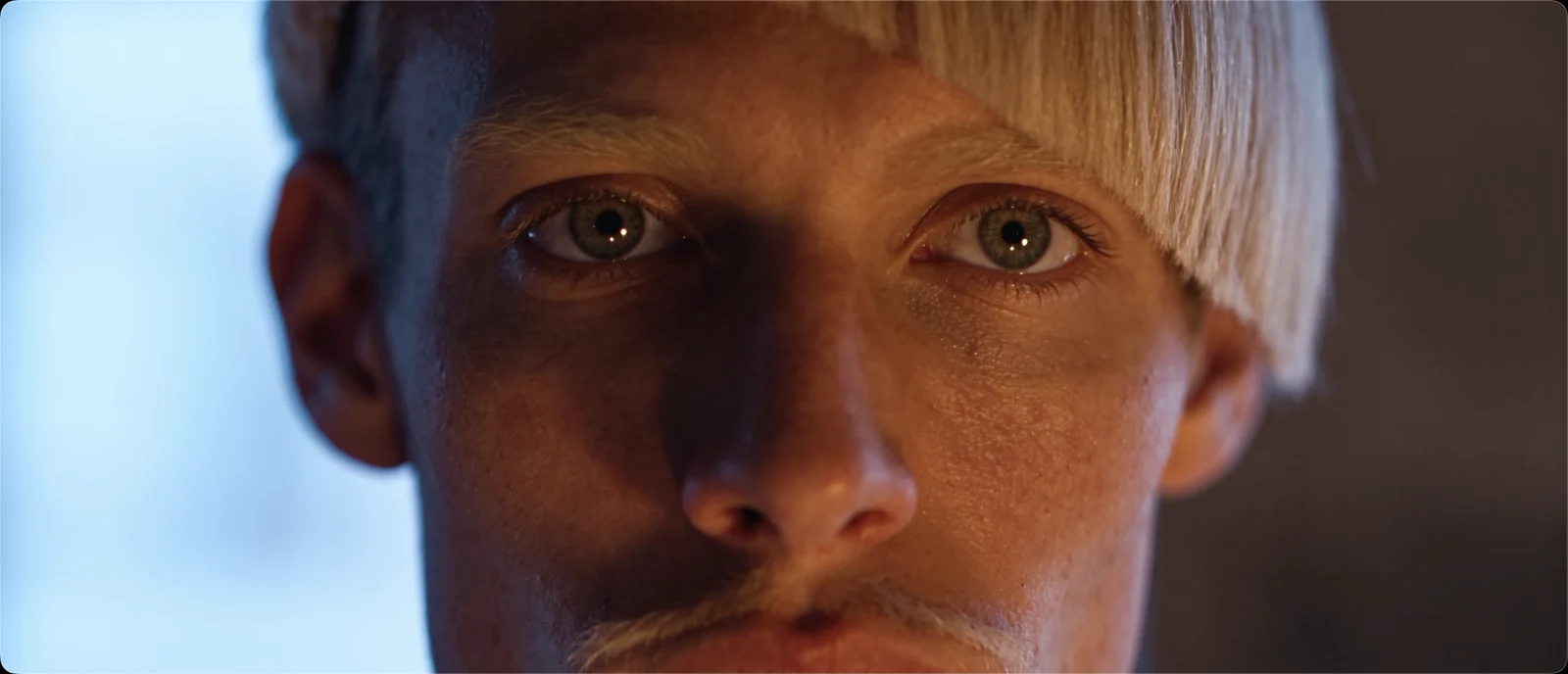
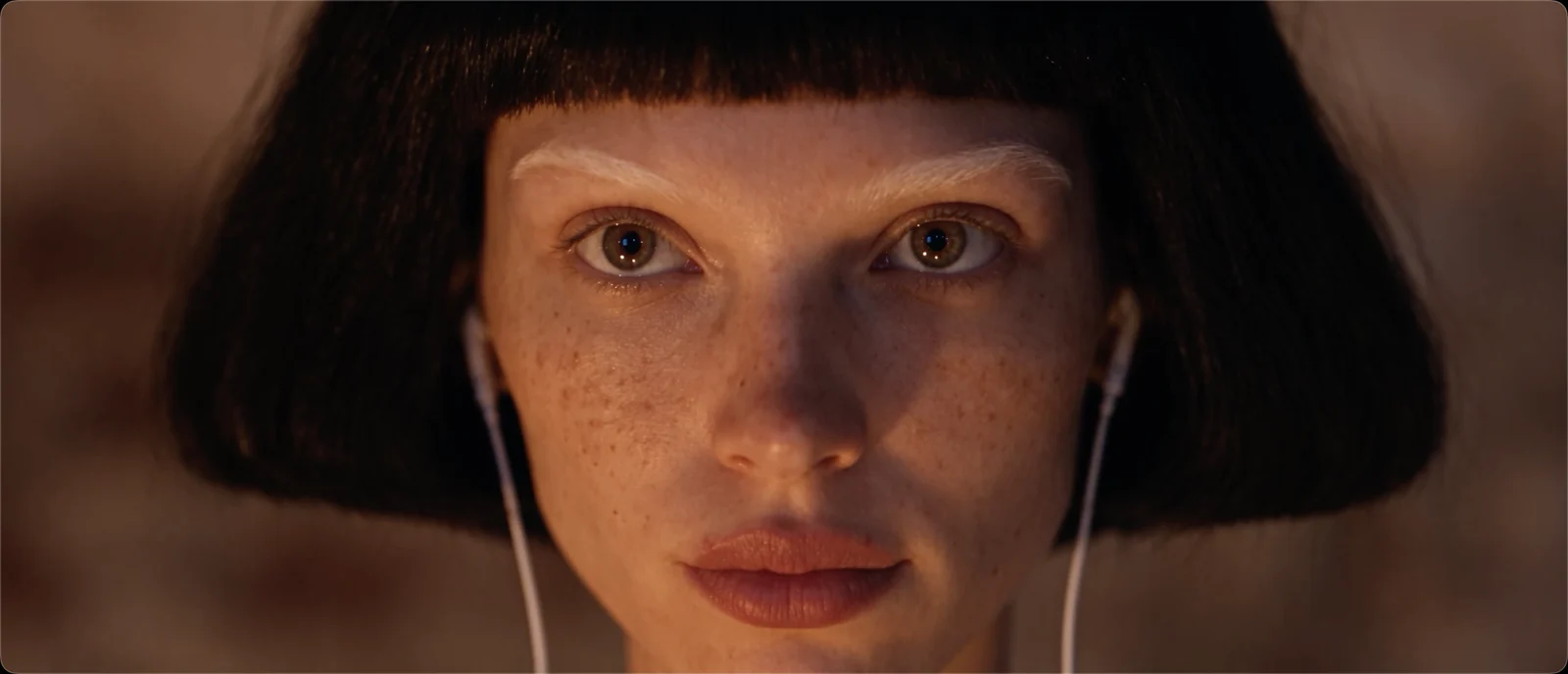
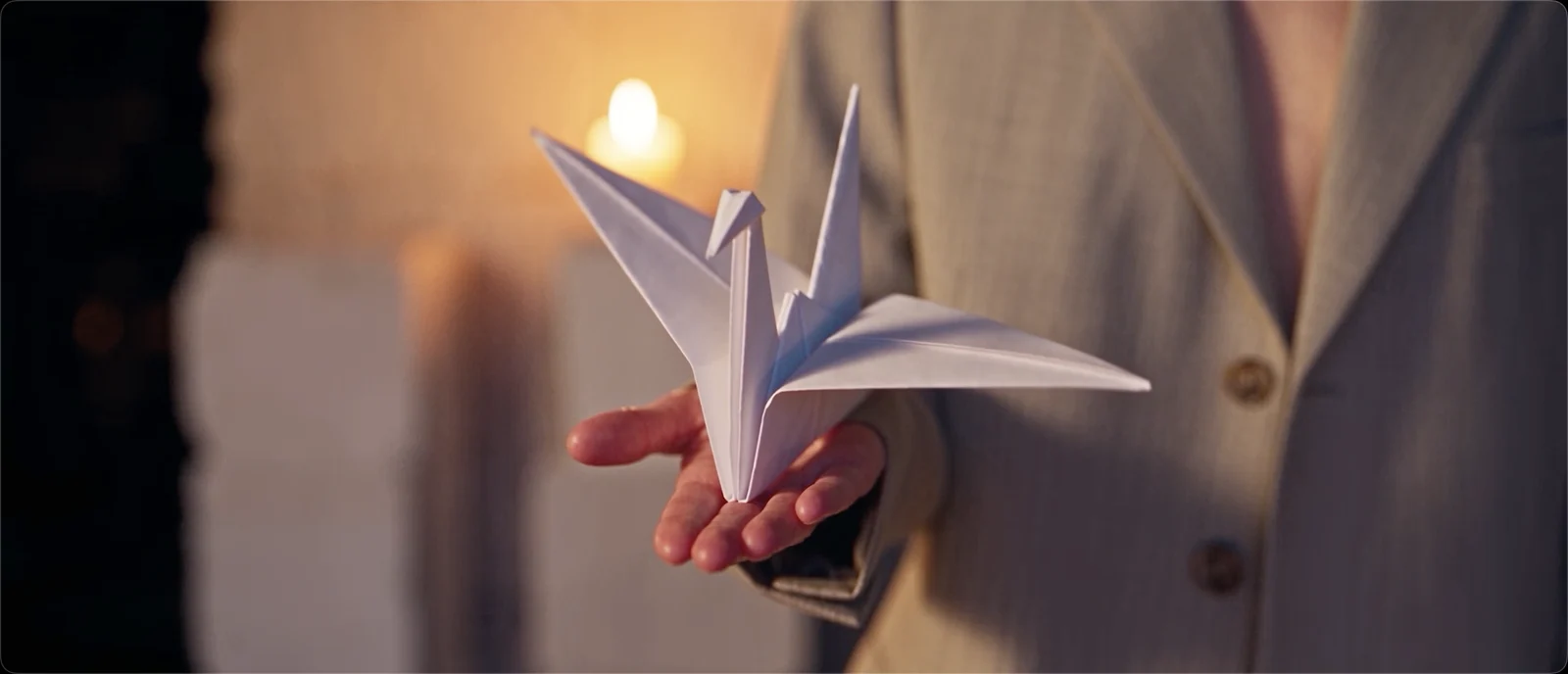

03
You see the film before it exists
In traditional production you only see the result after the shoot, when a reshoot is already expensive. We flip that: the film comes together in front of you, step by step, and you see it at every step. First the idea and the script, then the characters, then the world they live in, and only then motion and the edit.
Every stage ends with your sign-off. You approve the characters, the product and the mood up front — and they stay exactly as you approved them, with no surprises at the finish line.
04
A casting call where everyone showed up
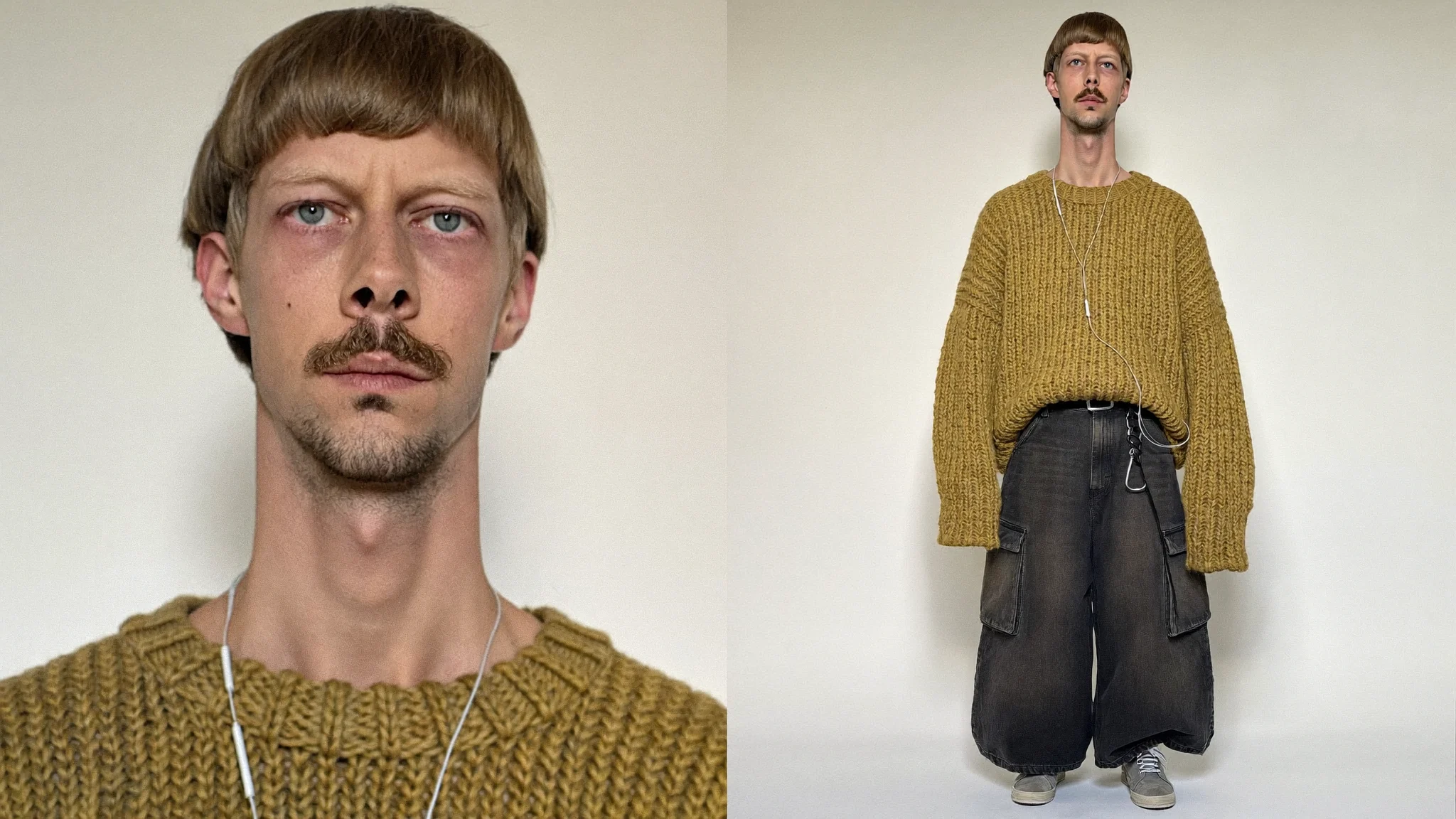
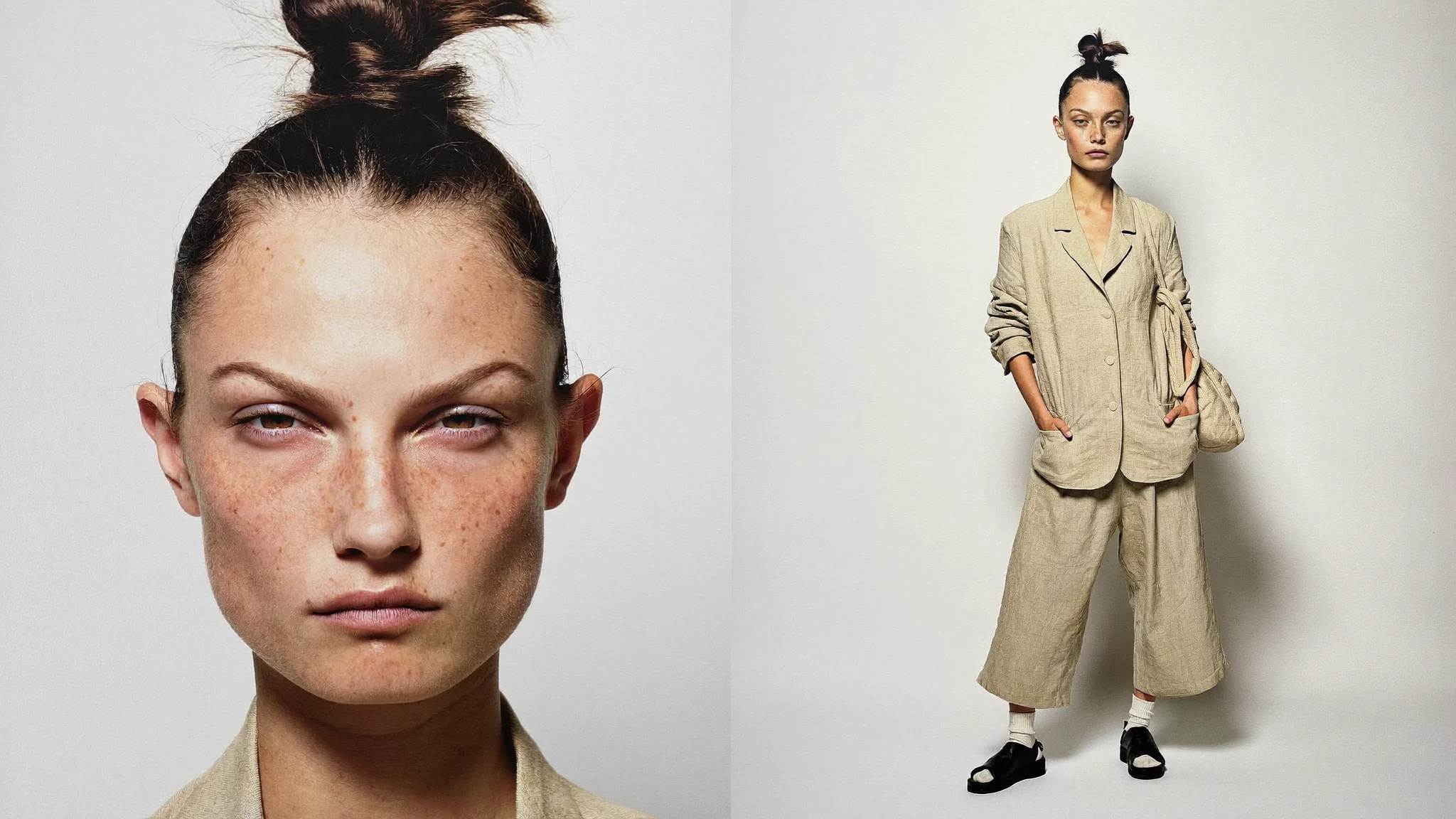
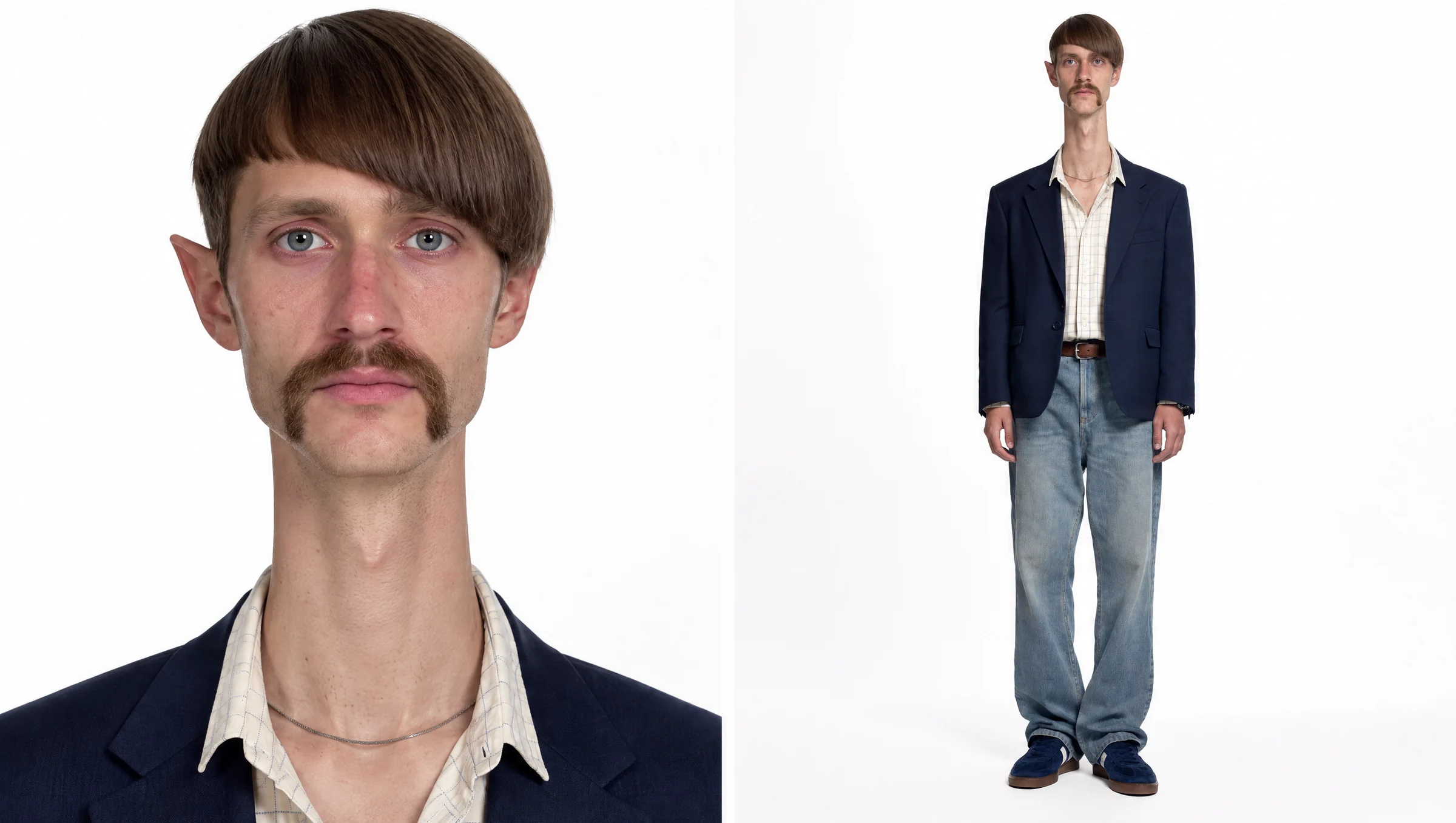
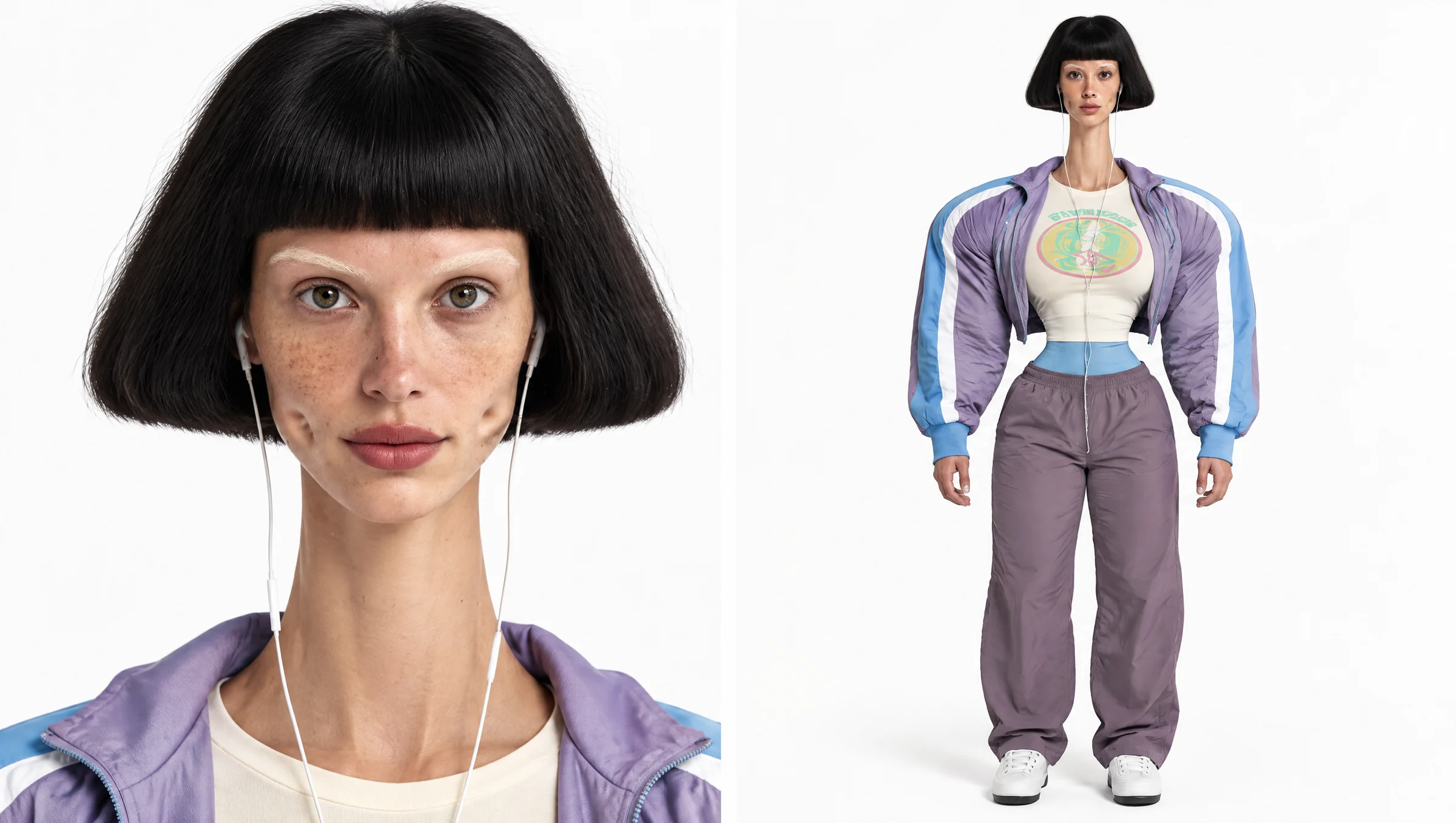
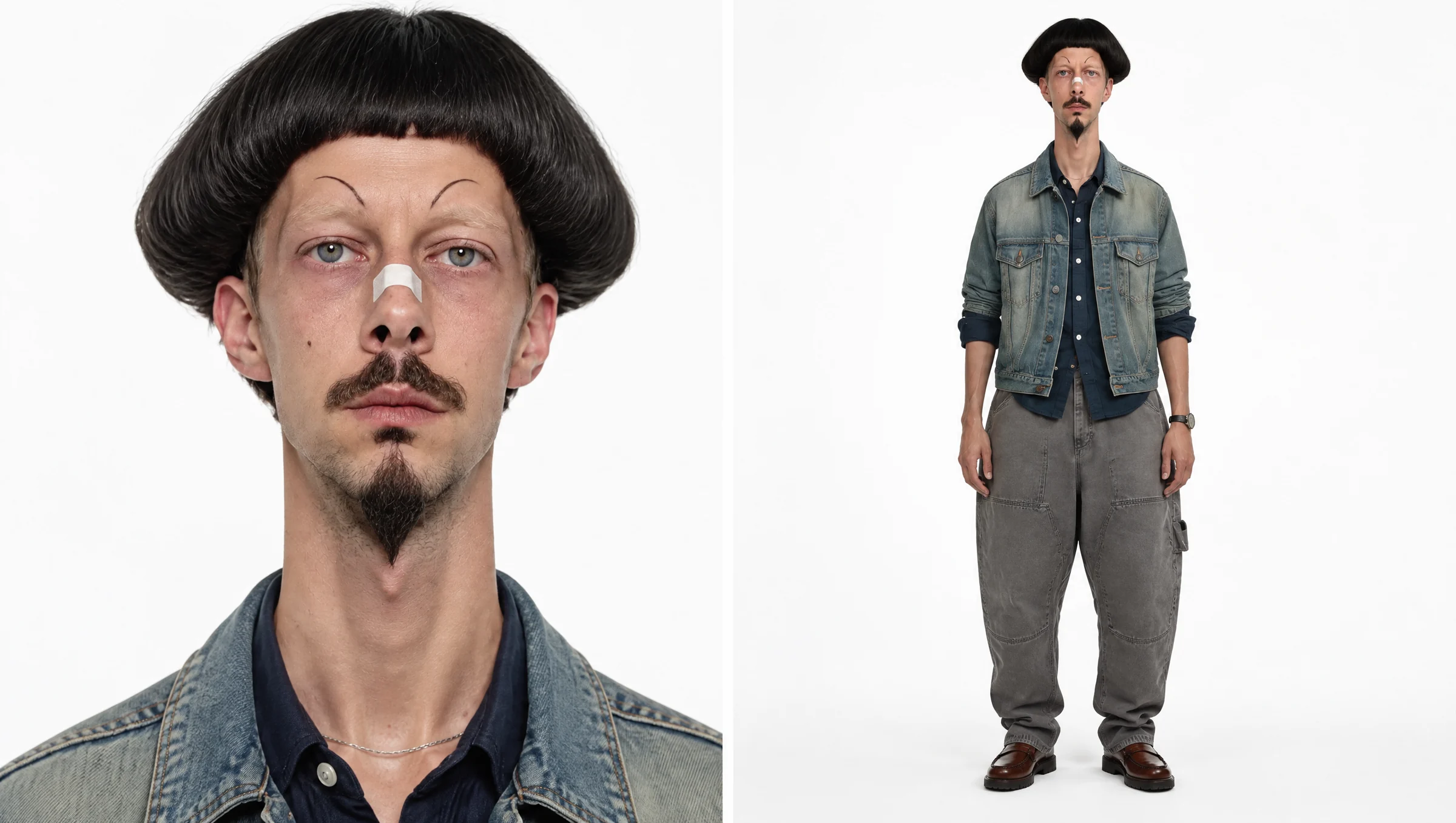
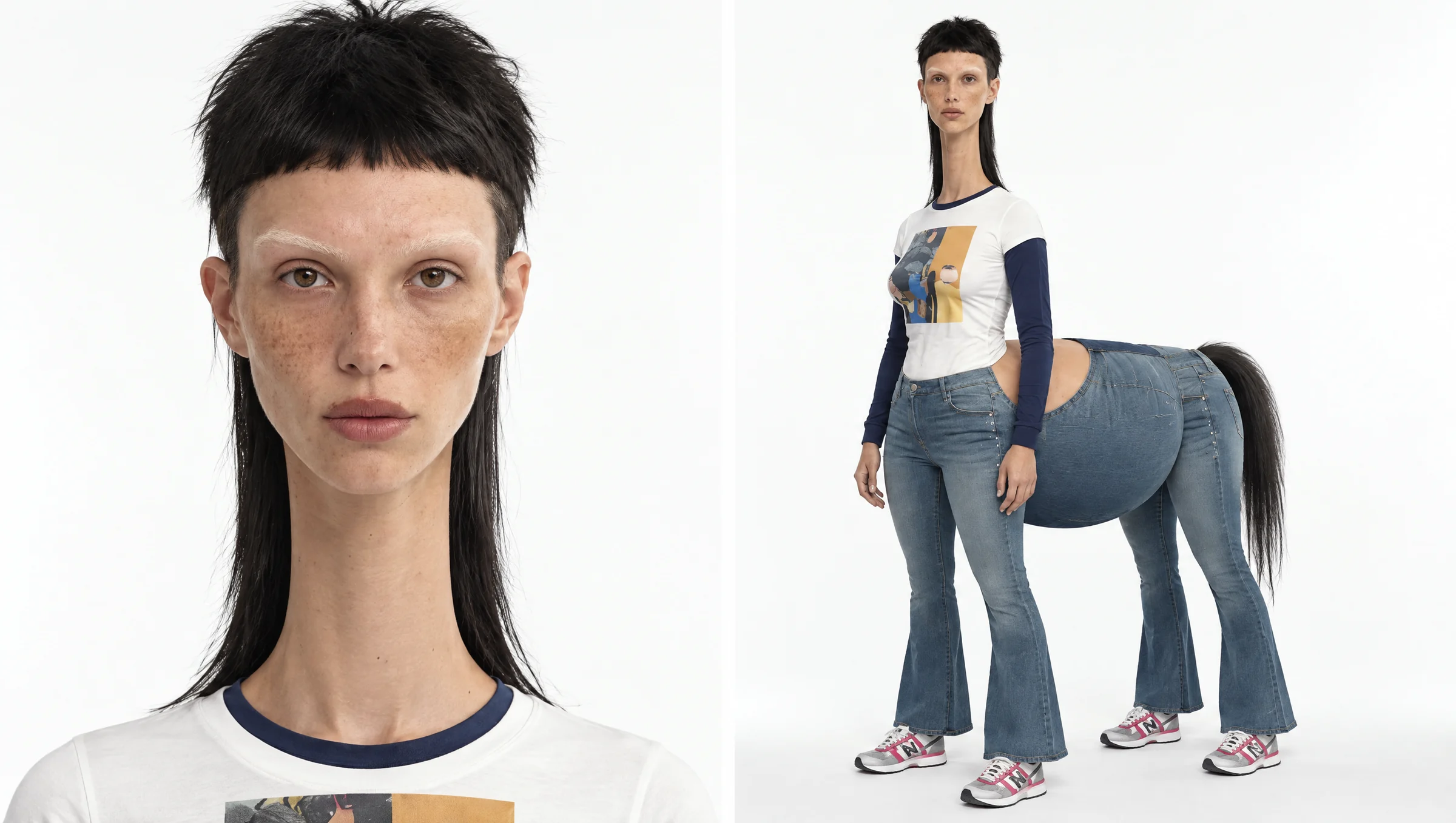
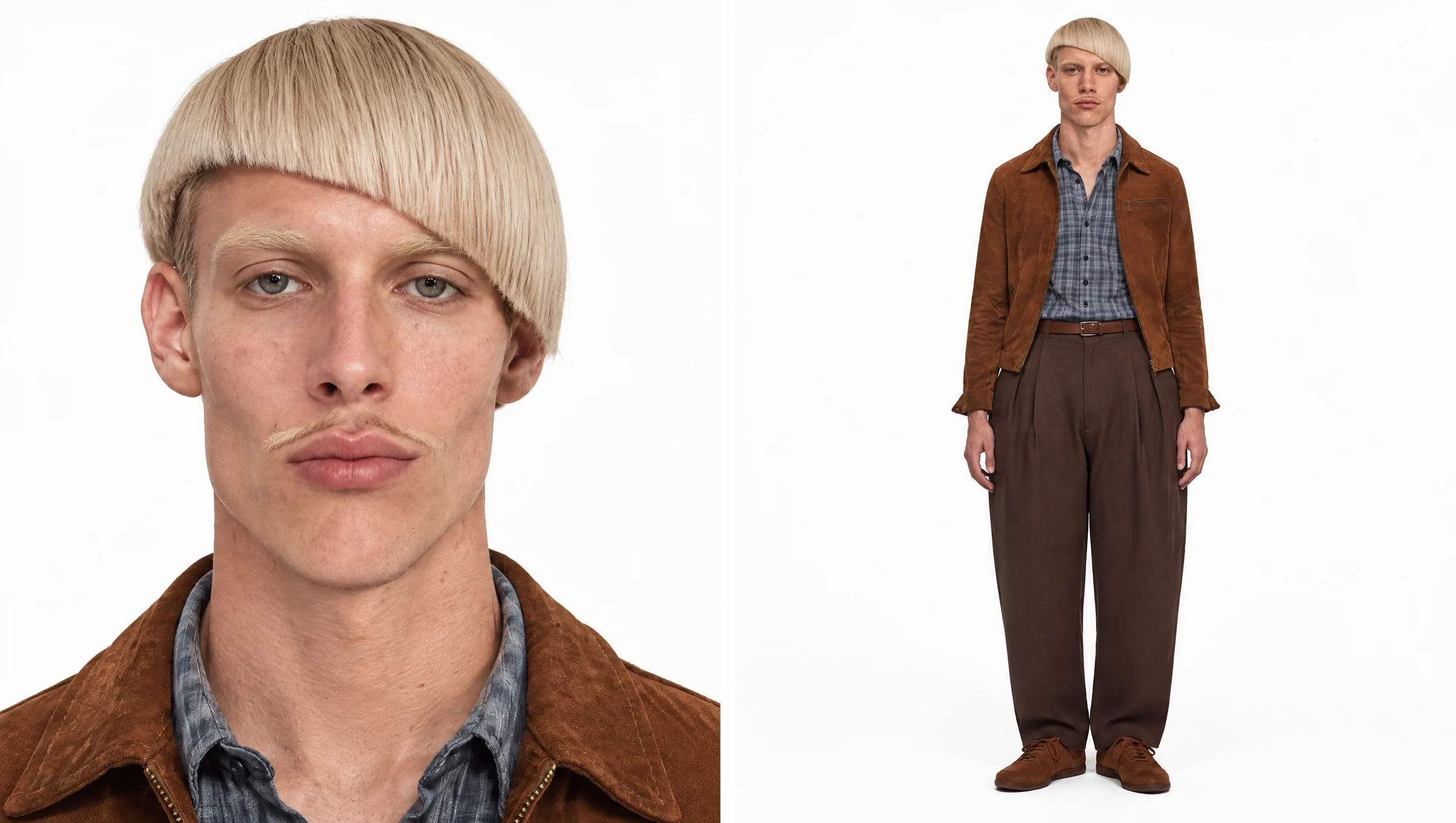
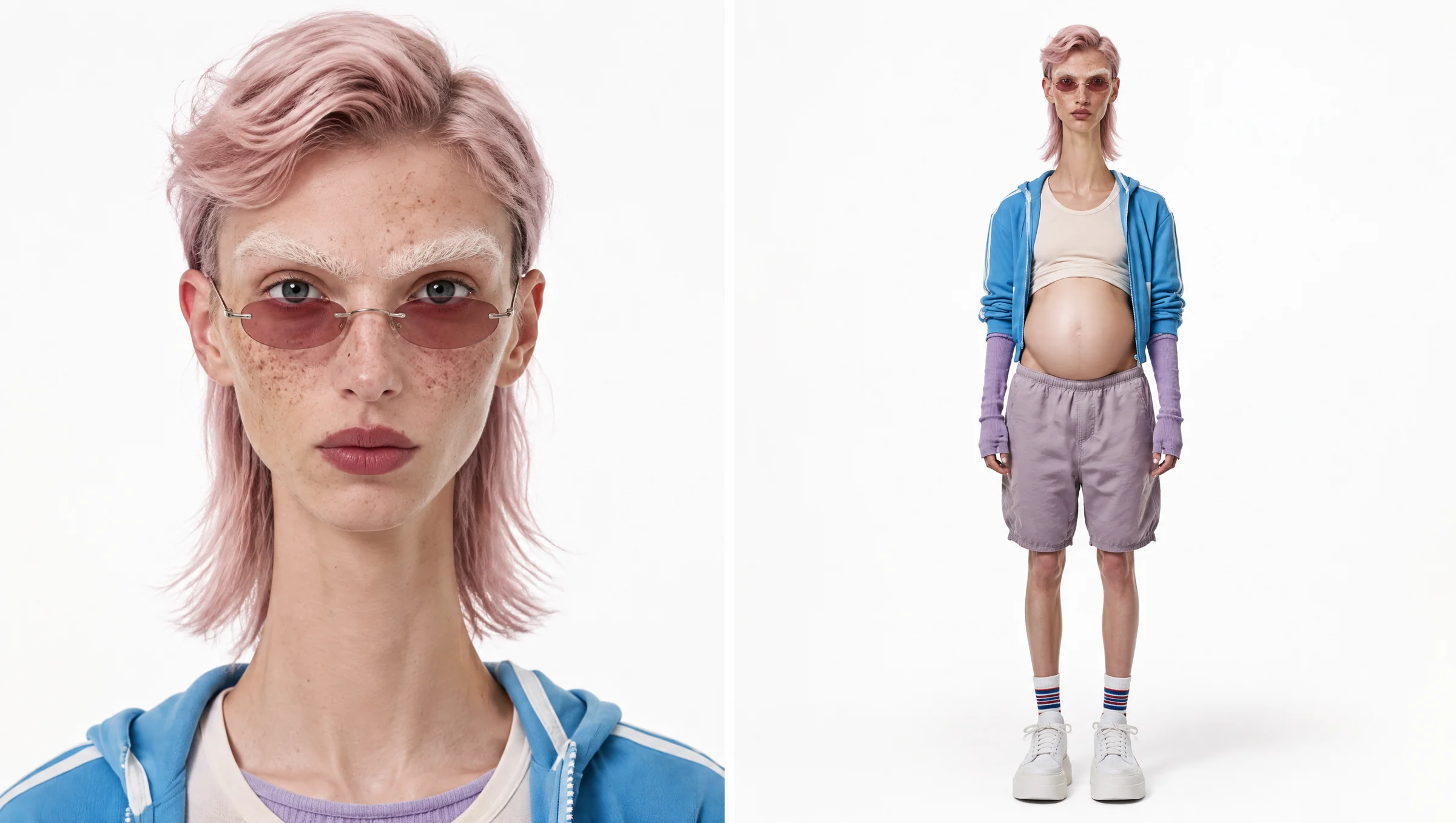
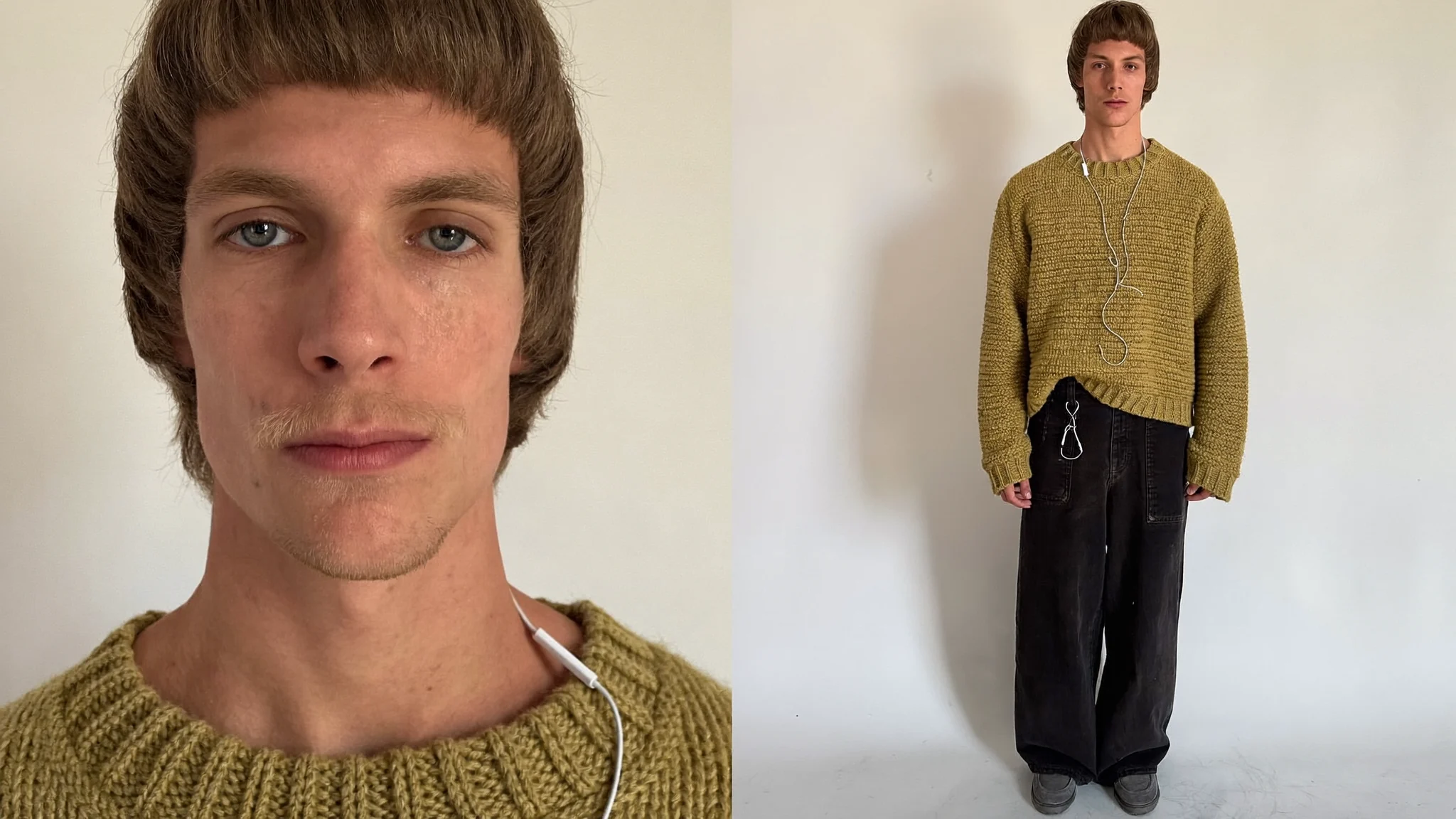
We look for characters the way you’d cast actors: dozens of faces, trying on haircuts, mustaches, glasses, sweaters and sneakers, until one of the options turns into a person. Not a “nice image,” but someone you instantly want to know more about — where they’re from, what they listen to, why they wear that sweater that way.
It’s the most alive part of the work. We argue over details the audience won’t consciously notice but will feel: the length of a fringe, wired earphones instead of wireless, a knit vest that gives a character away before they say a word.
05
Character from the very first frame
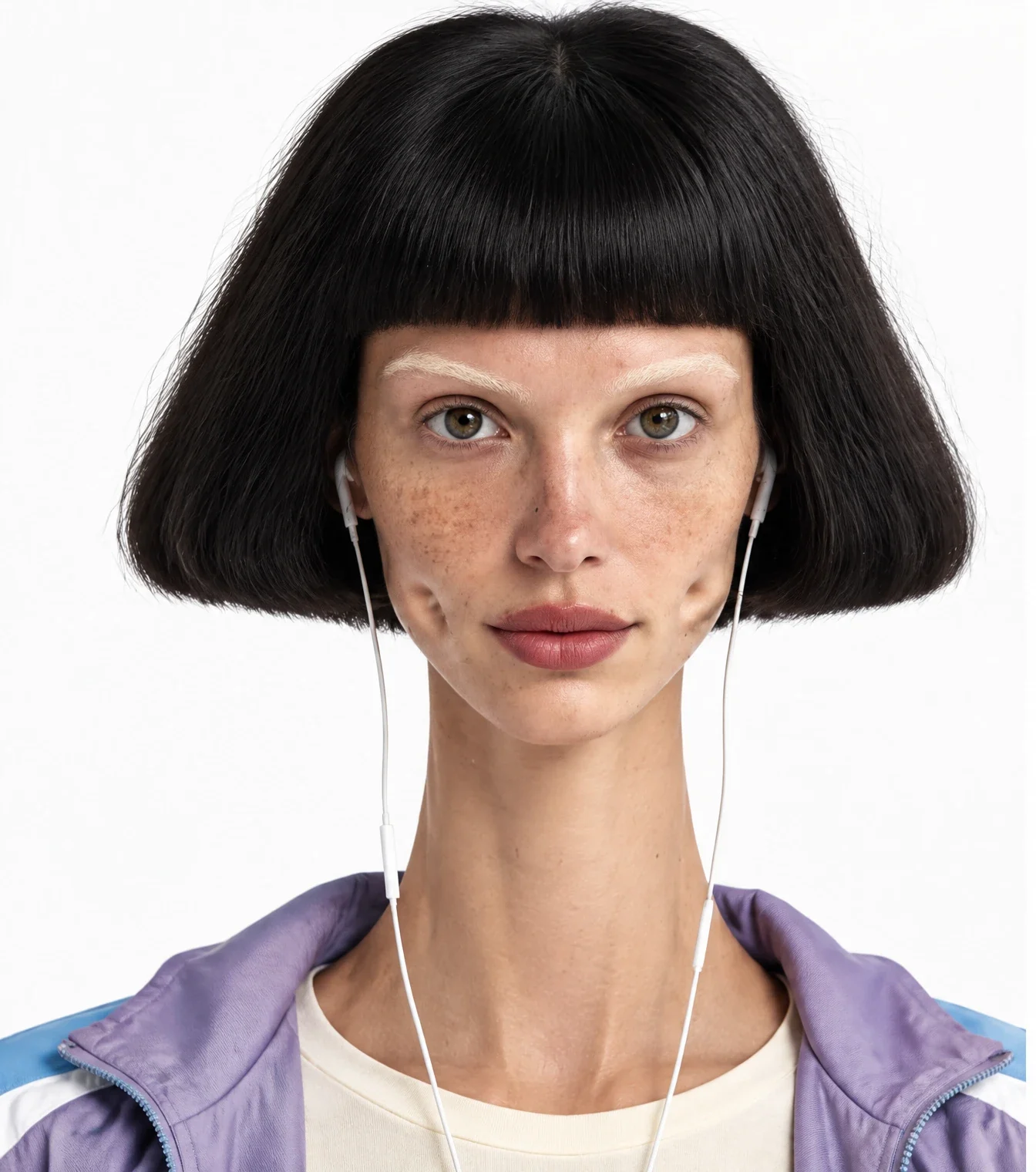
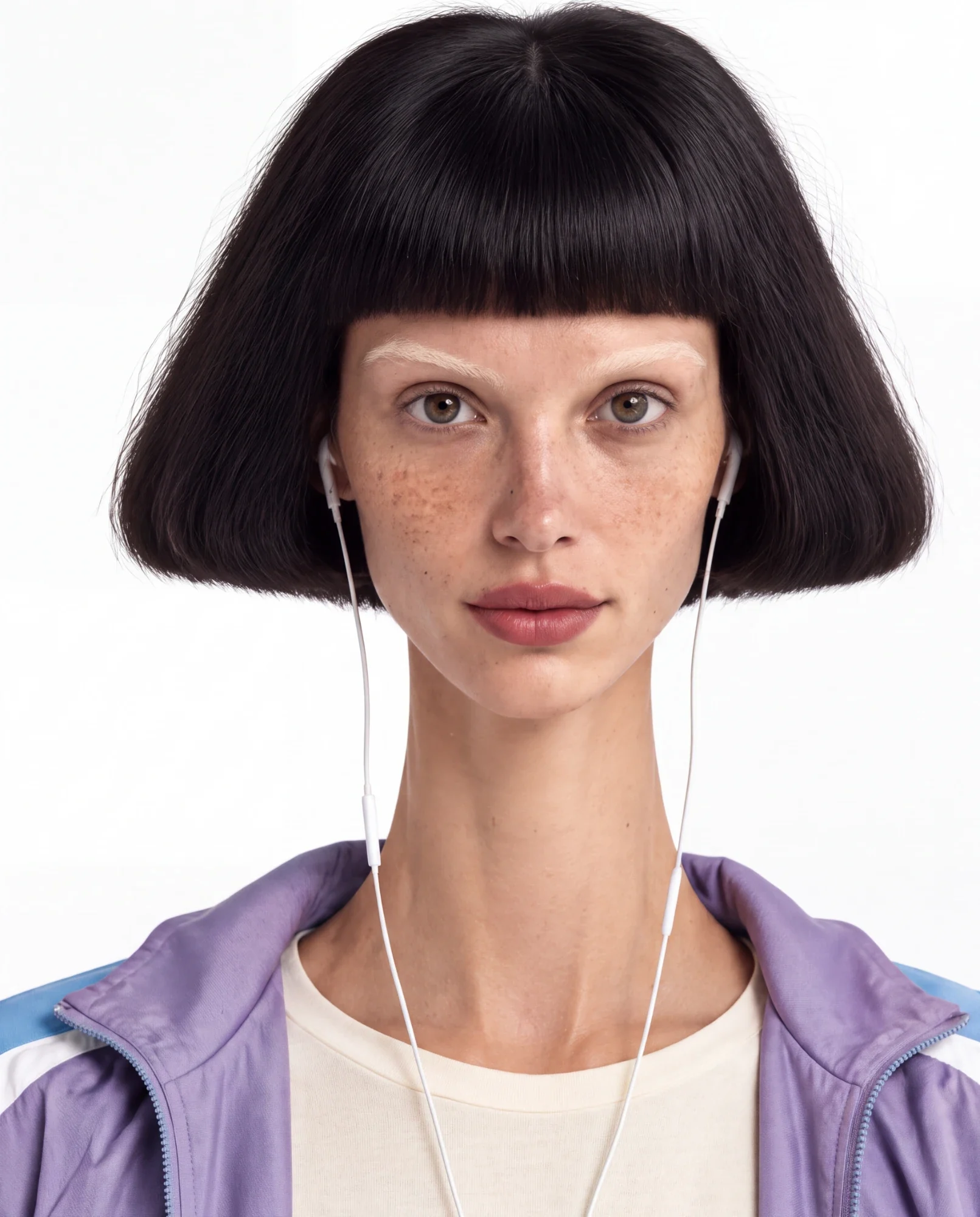
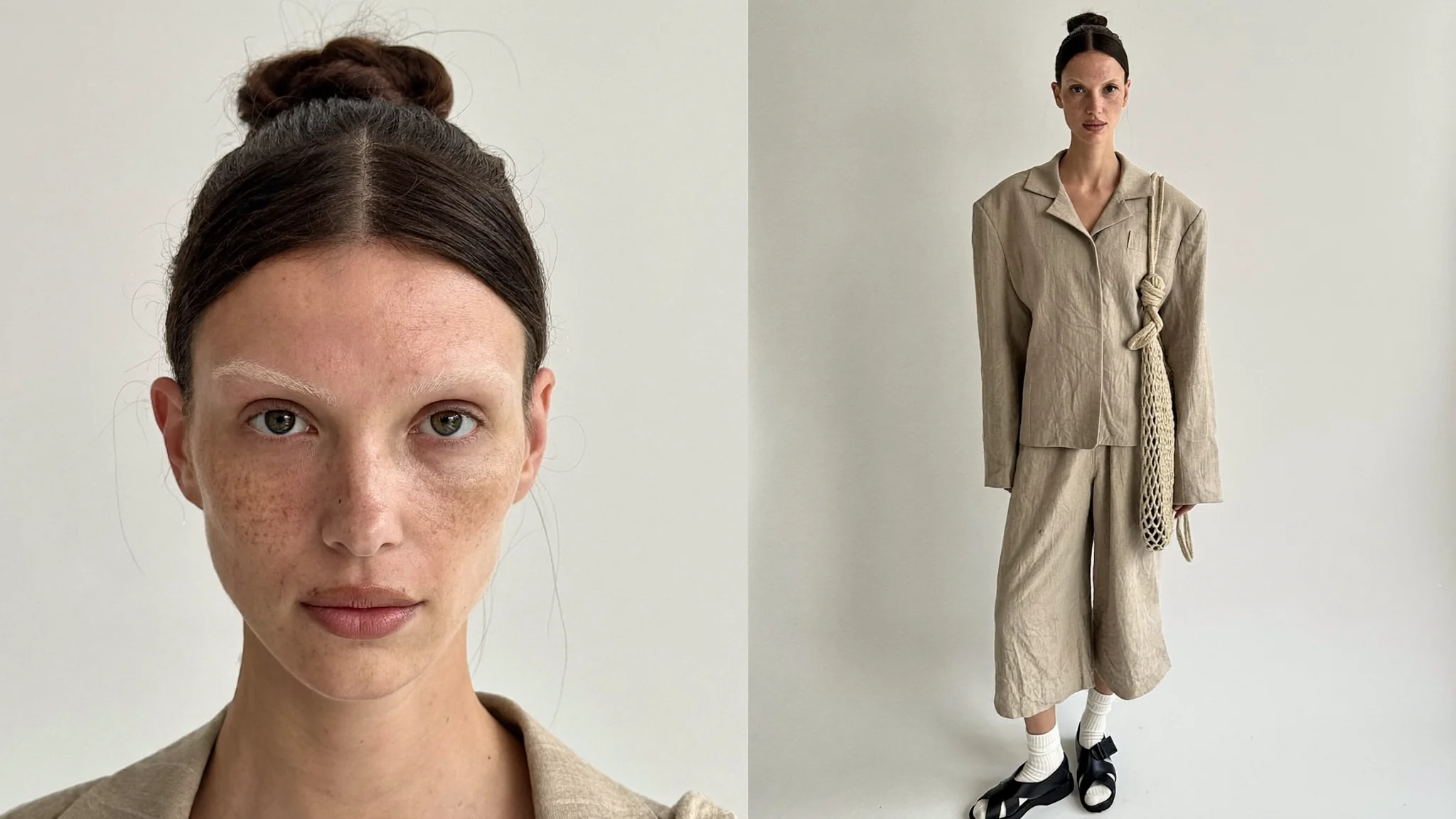
Once the look is found, it has to come alive: from a sketch on a white background to a person with skin, a gaze and a posture. We refine each character until you can read who they are before they do anything — and from then on they stay themselves in every shot, in any light, from any angle.
That’s how a brand character, an ambassador or a mascot is born too: found once, they can live for years — in ads, series and social — and always stay recognizable.
06
A character from real life
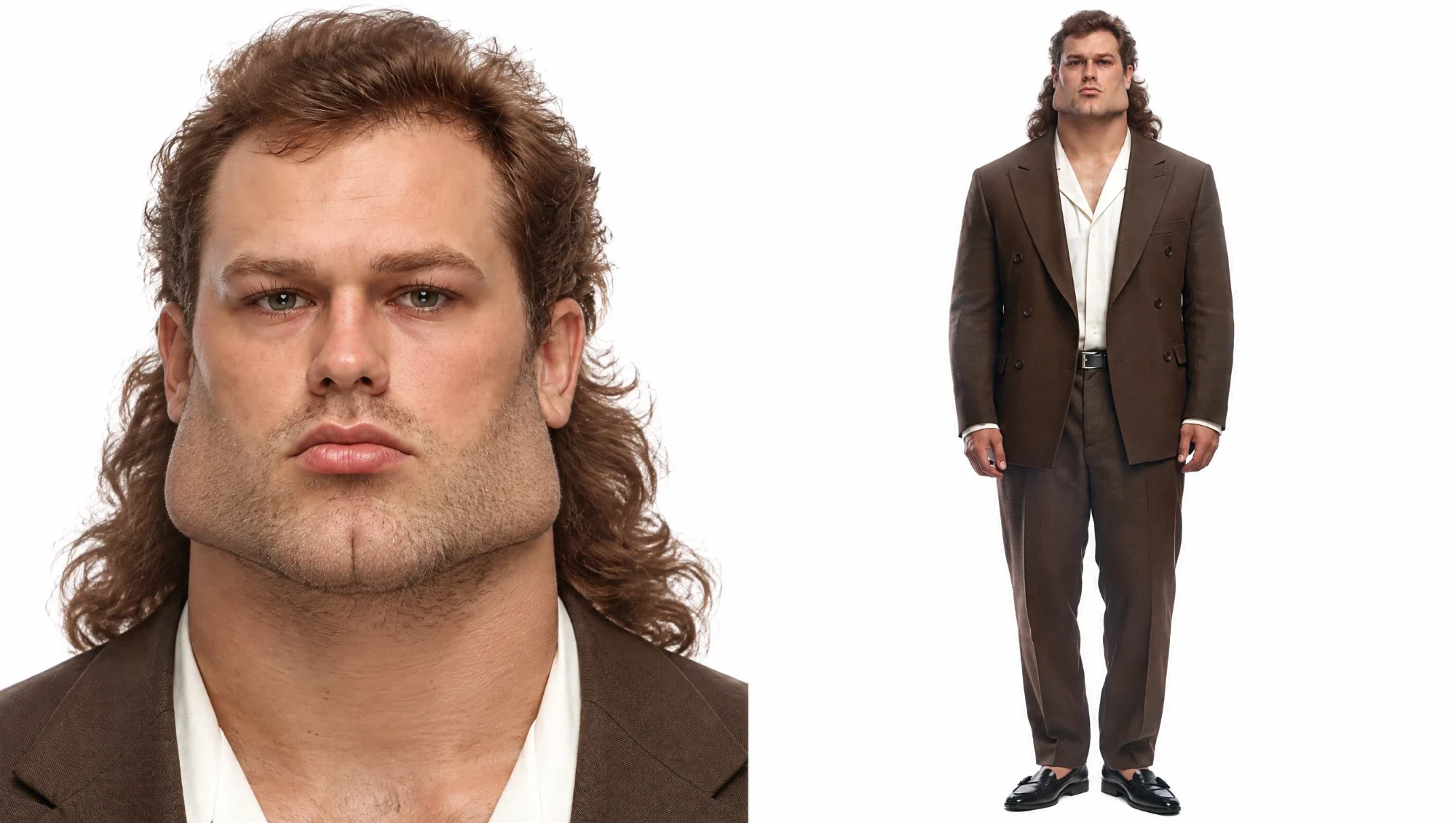
The doorman grew out of a photo of a real person. We kept him recognizable and gave him a role: a heavy stare, a suit that doesn’t quite fit, and the silent call on who’s niche enough to get in.
The same way, anyone can become the hero of a film — a founder, an ambassador, an employee or a loyal customer — and step into a story that could never be shot in real life.
07
A place where the right crowd gathers
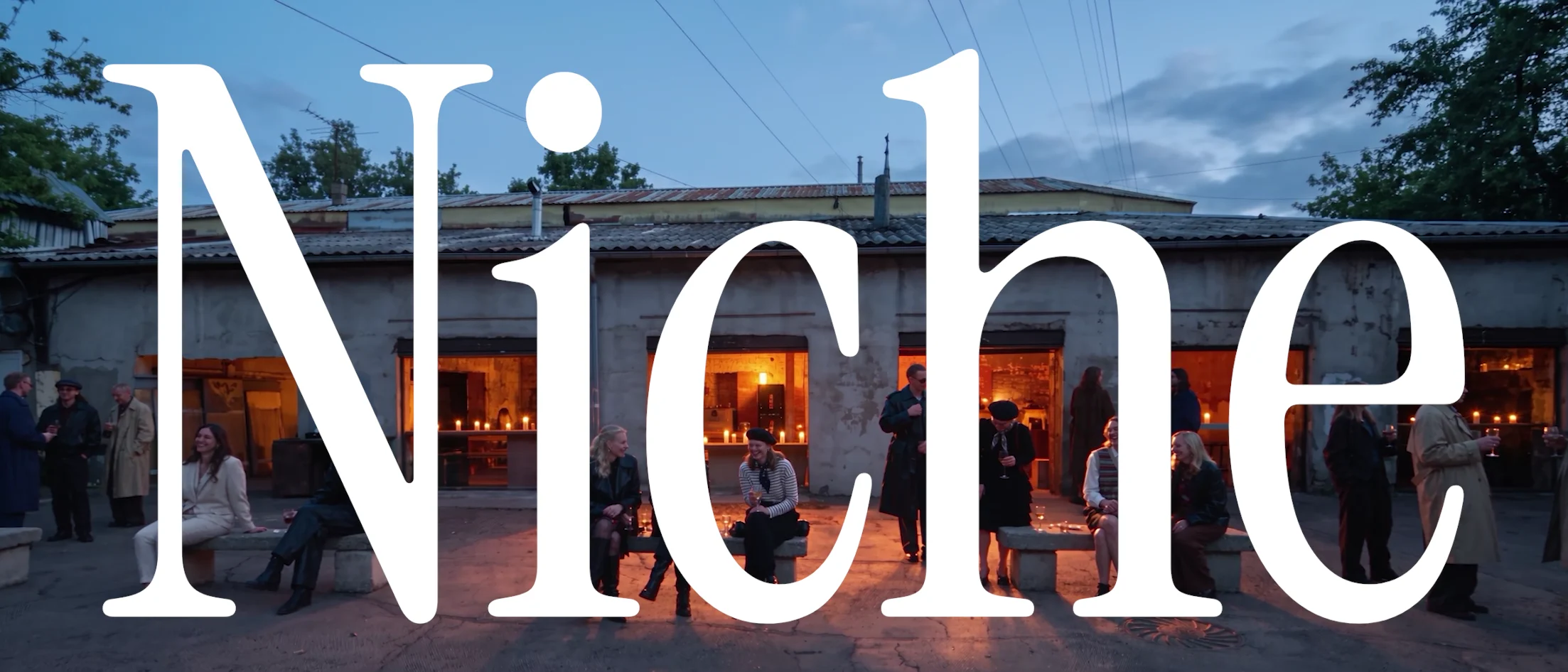
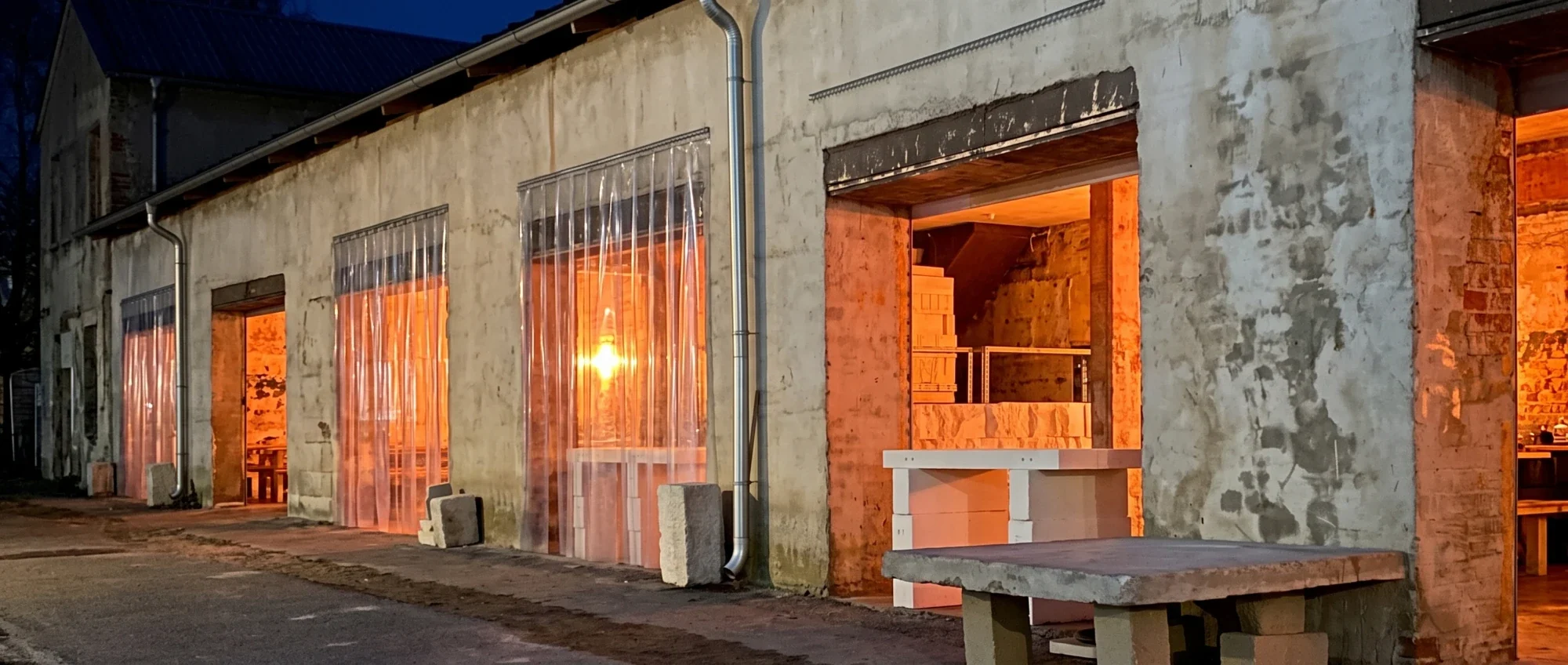
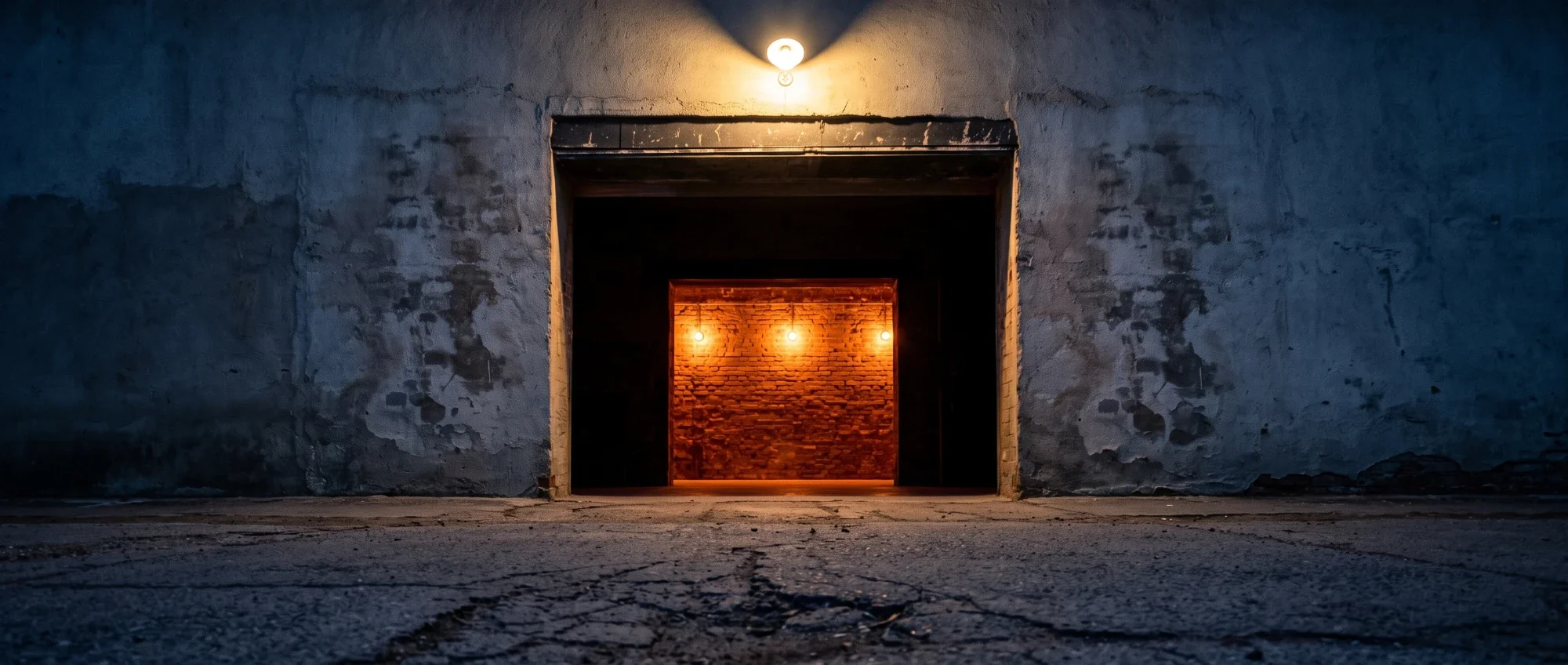
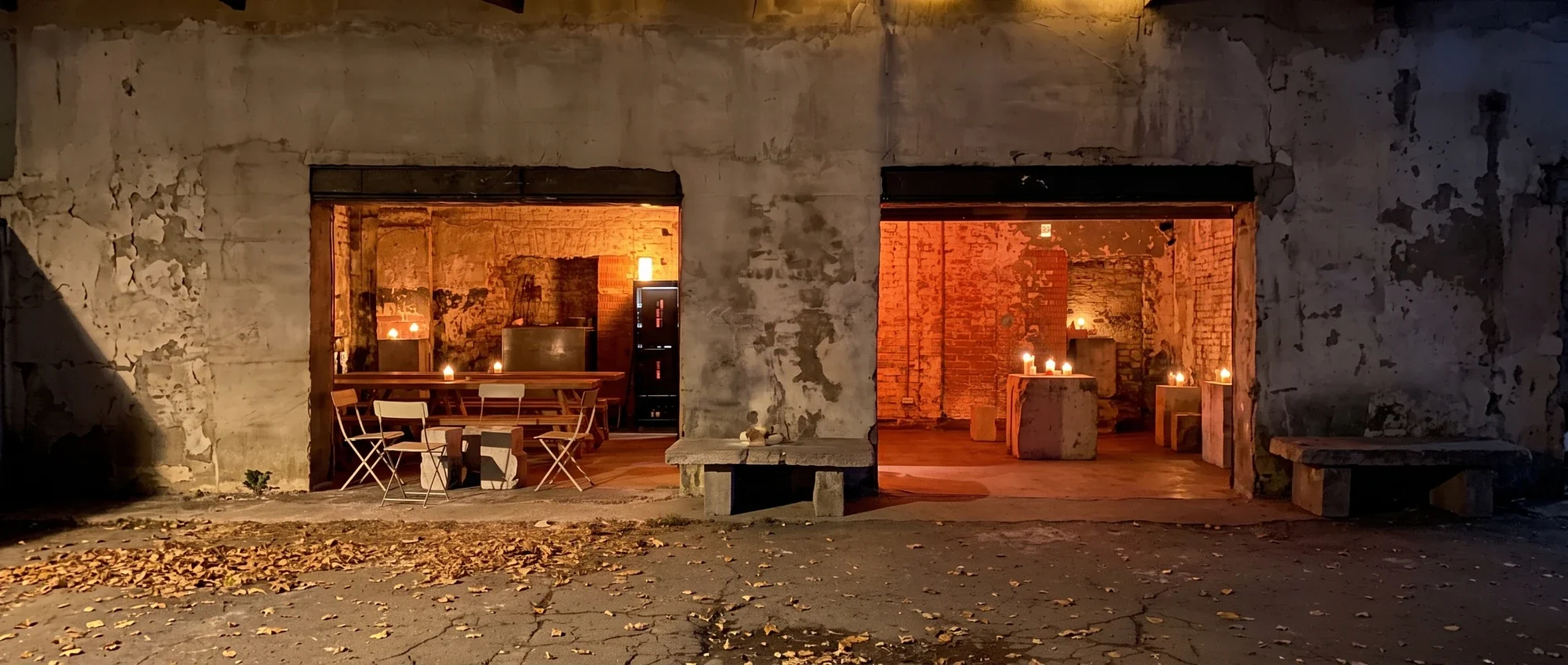
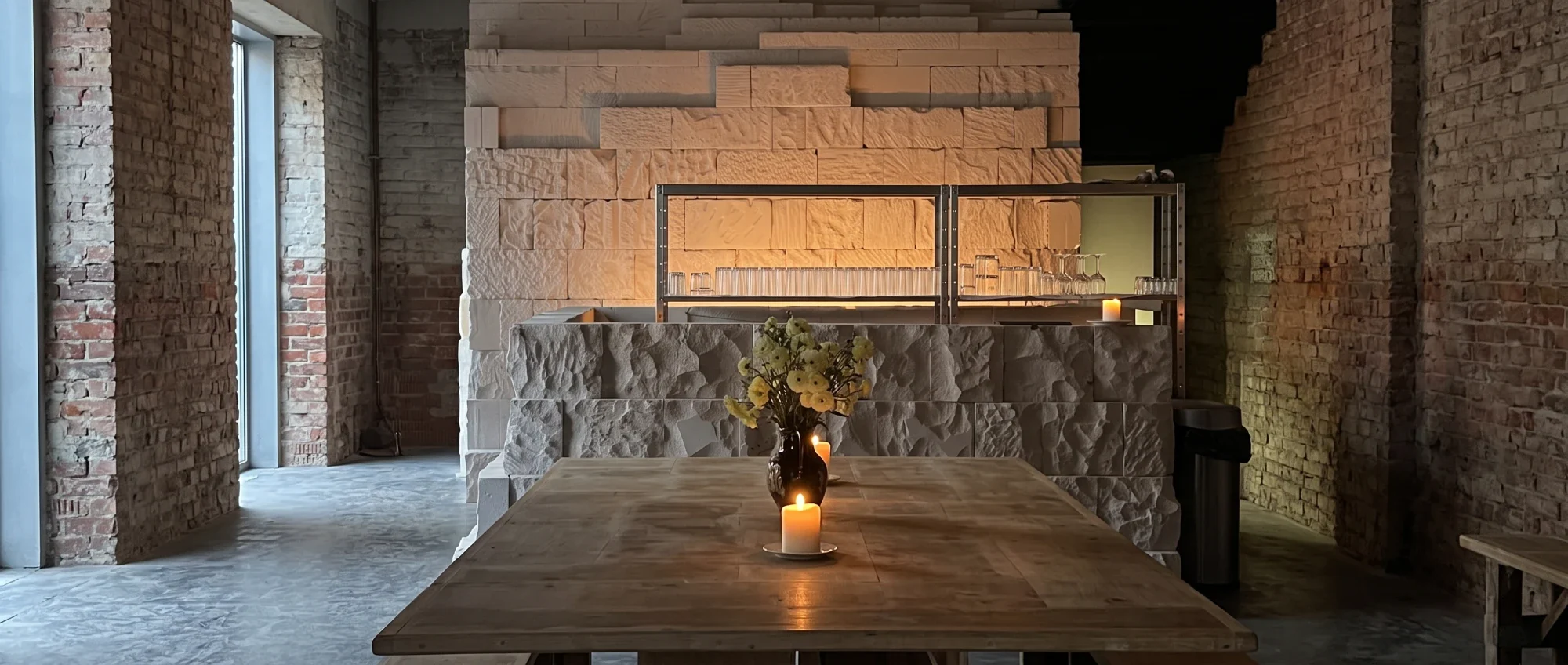
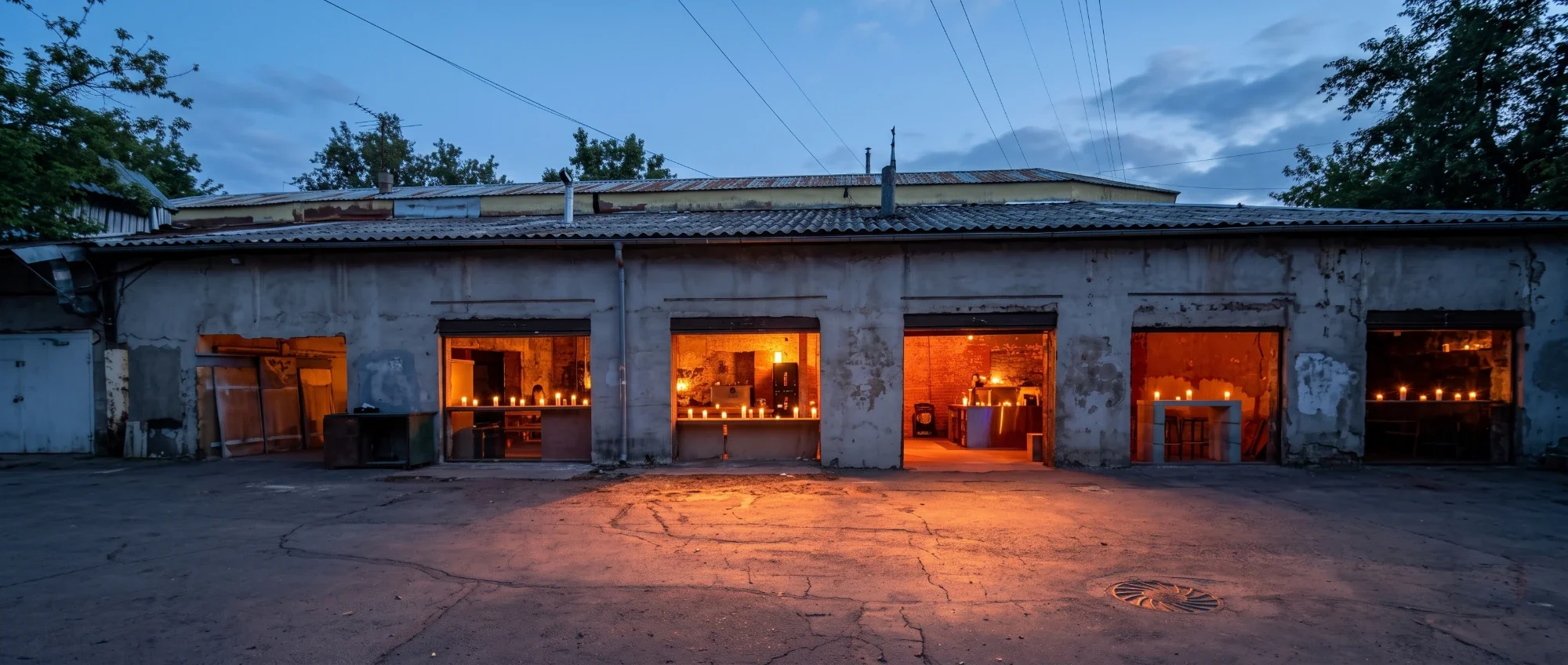
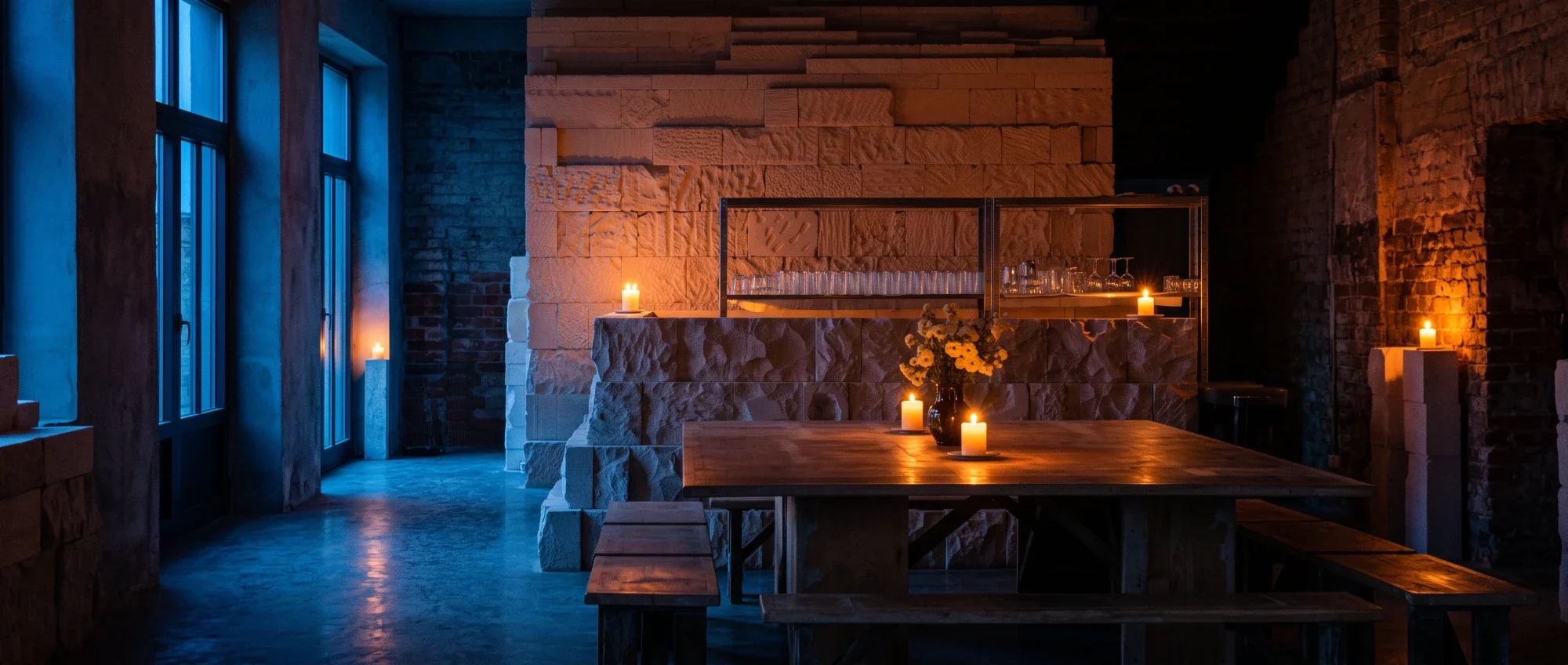
Where do the city’s most niche people meet? Not at the mall, not at the trendy restaurant. We looked for a place with a past: an old courtyard, brick, peeling plaster, warm light spilling from open doors. First we went through options — facades, entrances, halls — until we found the one you’d want to walk into yourself.
In the end, two locations made it: the yard at blue hour and the candlelit room. They look like the whole film was shot on a single evening. No rentals, no permits, no waiting on the weather: the place is built for the story instead of the story bending to the place.
08
A prop that drives the story
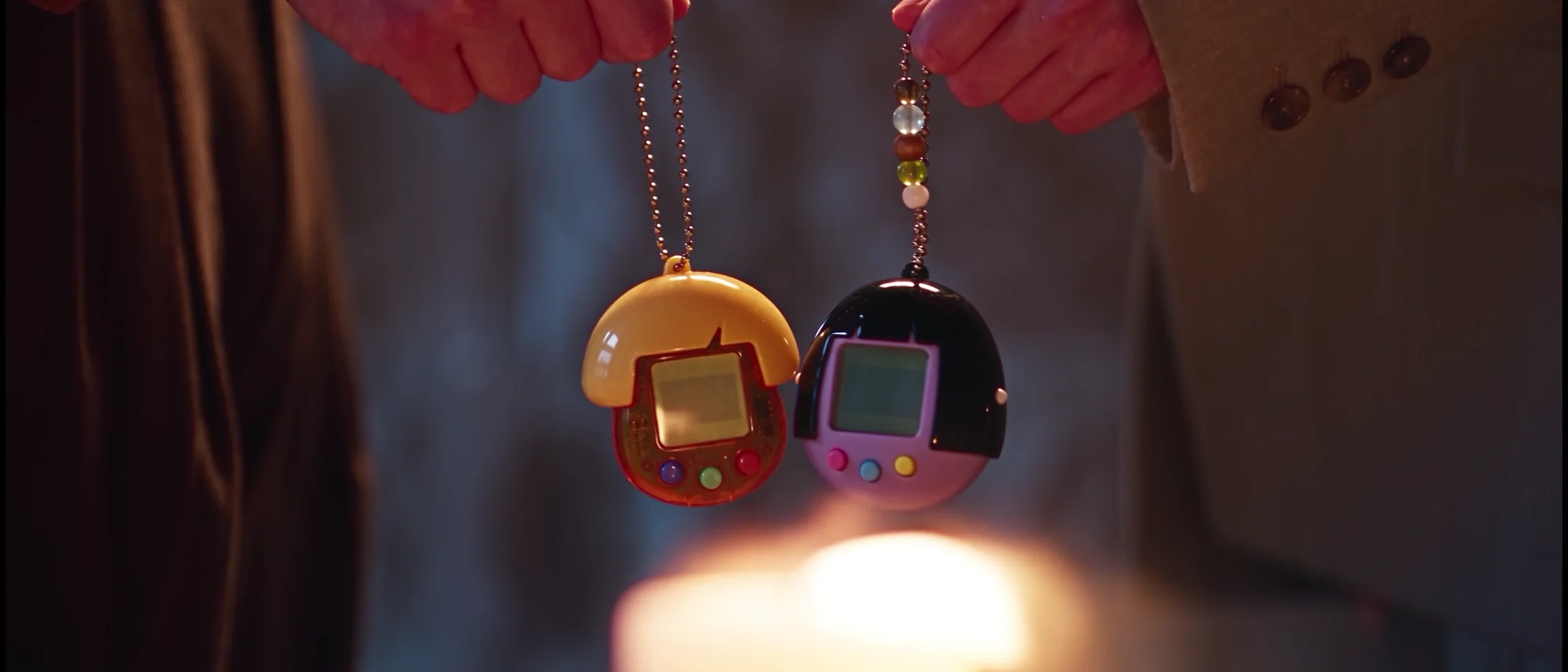
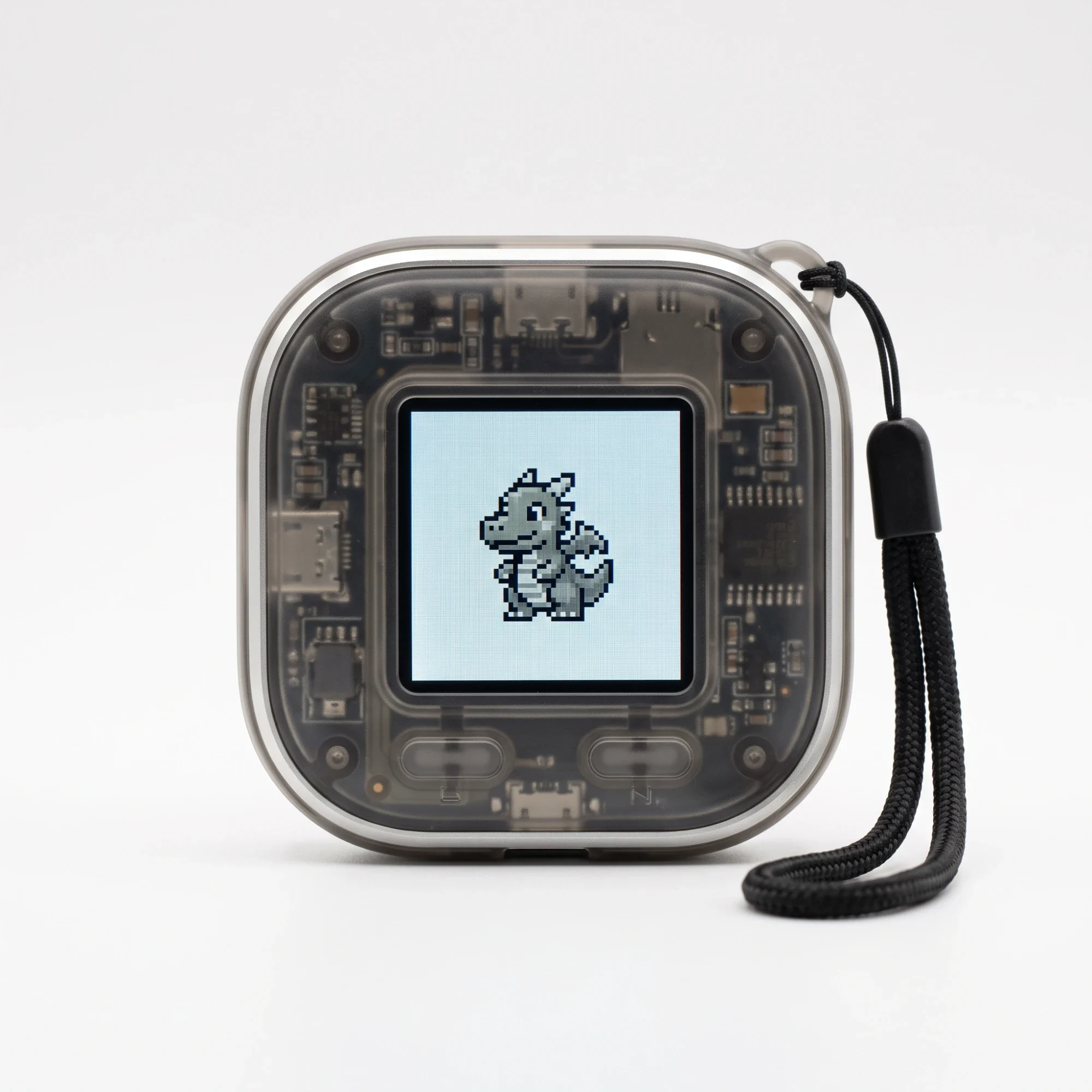
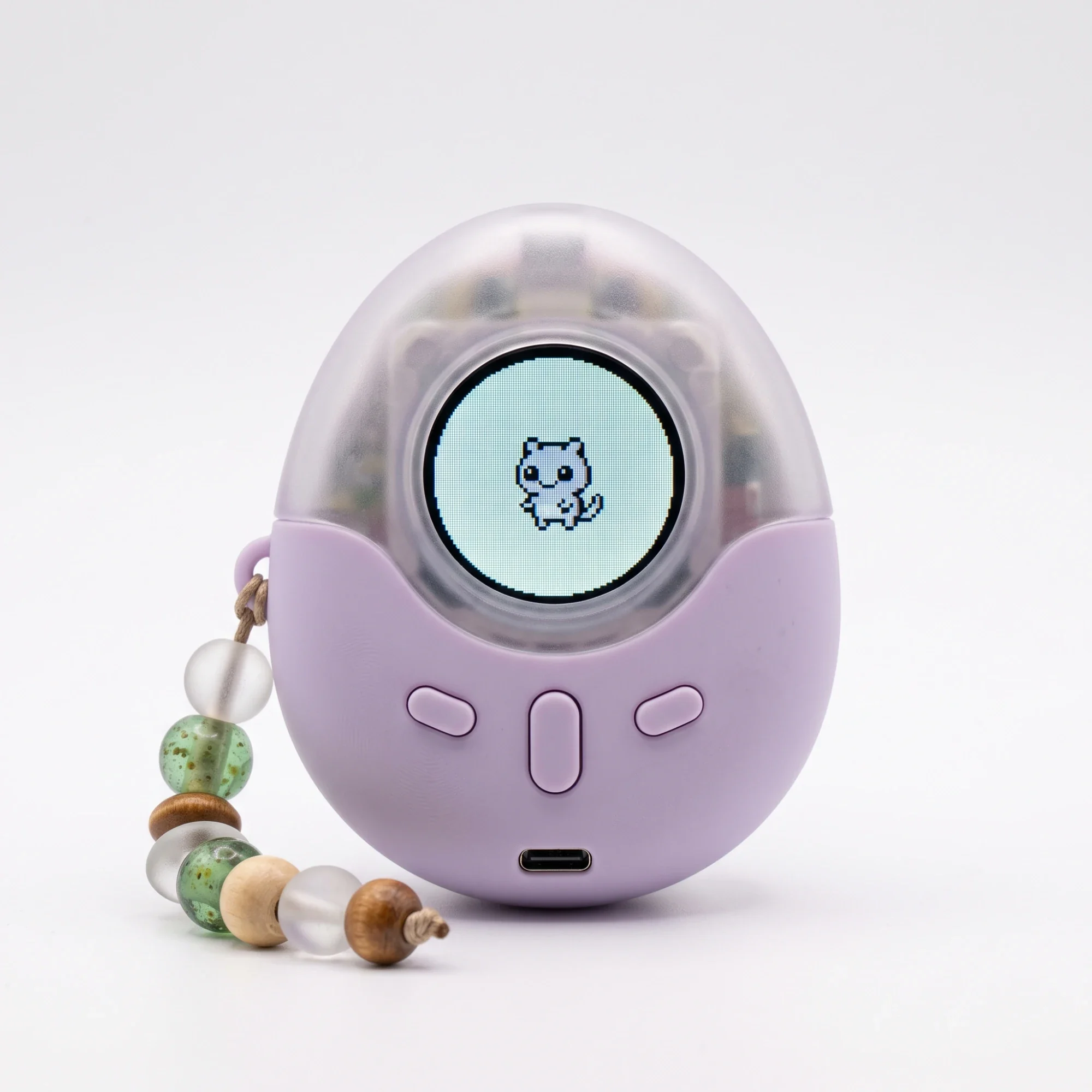
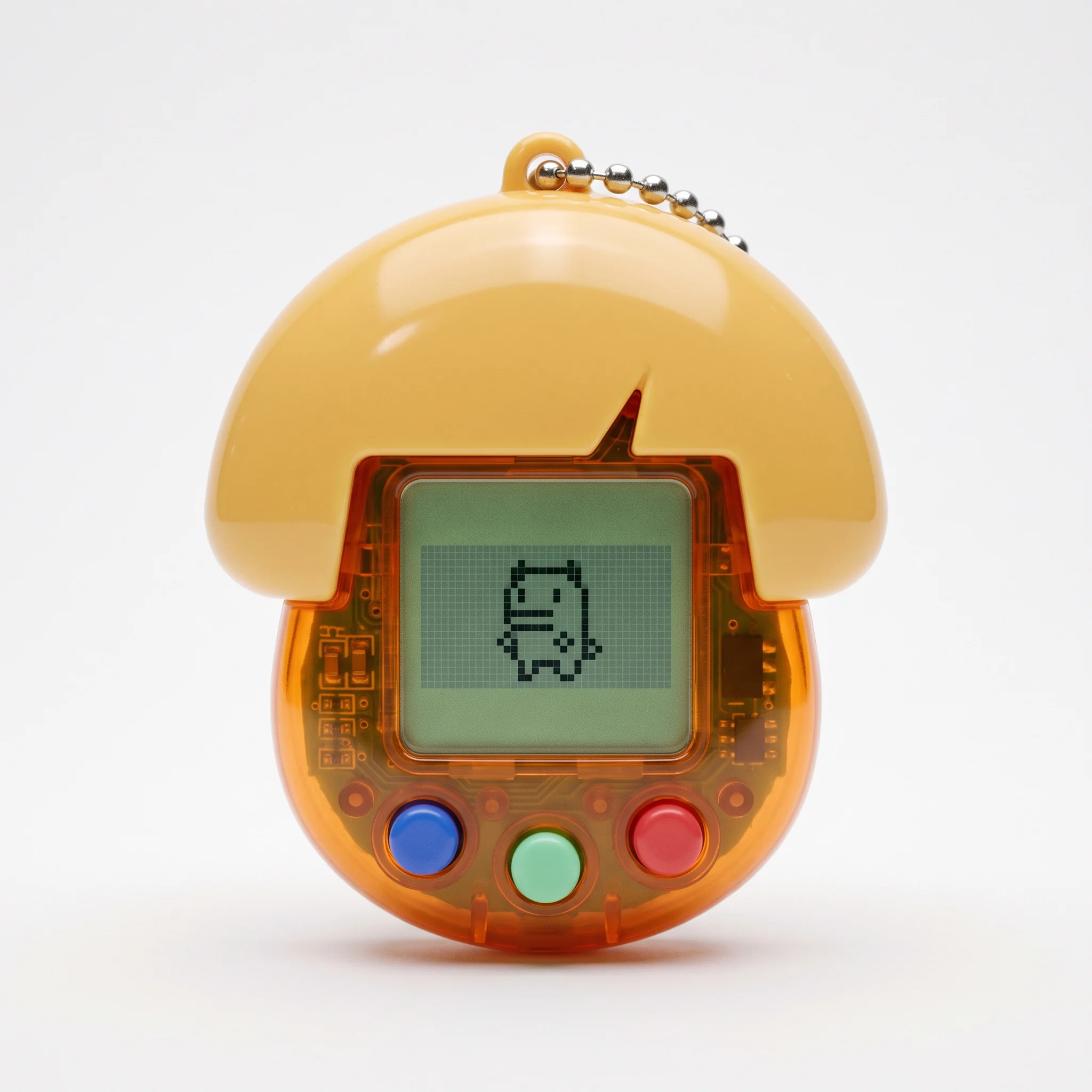
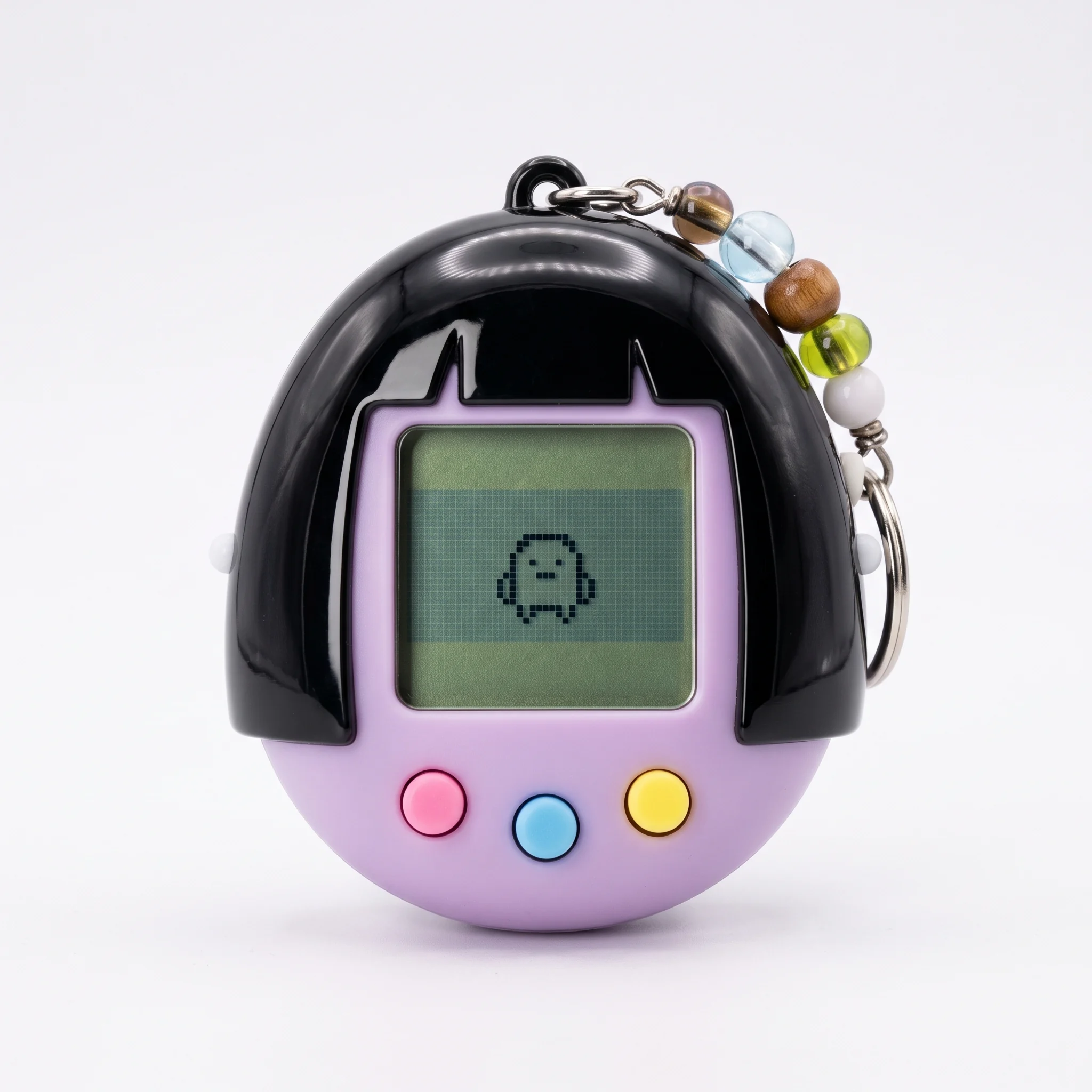
The finale hangs on a tiny detail — virtual pets whose shells mirror their owners’ haircuts. It’s a joke the audience gets in a second, and we went through several shapes until the object felt like an extension of its owner.
We treat a brand’s product the same way: recognizable in every shot, identical from start to finish, and part of the story rather than something that only shows up in the packshot.
09
One world from the first frame to the last
The magic of film runs on trust: the audience believes it’s the same room, the same candles, the same evening outside. Let a wall change color or a table drift, and the story falls apart.
So we treat the film’s world like a real set. Characters, light, props and space stay where they belong however the camera moves — wide shot, close-up, a look across the table. The film came together so seamlessly it didn’t even need color grading.
10
Direction, not a lucky generation
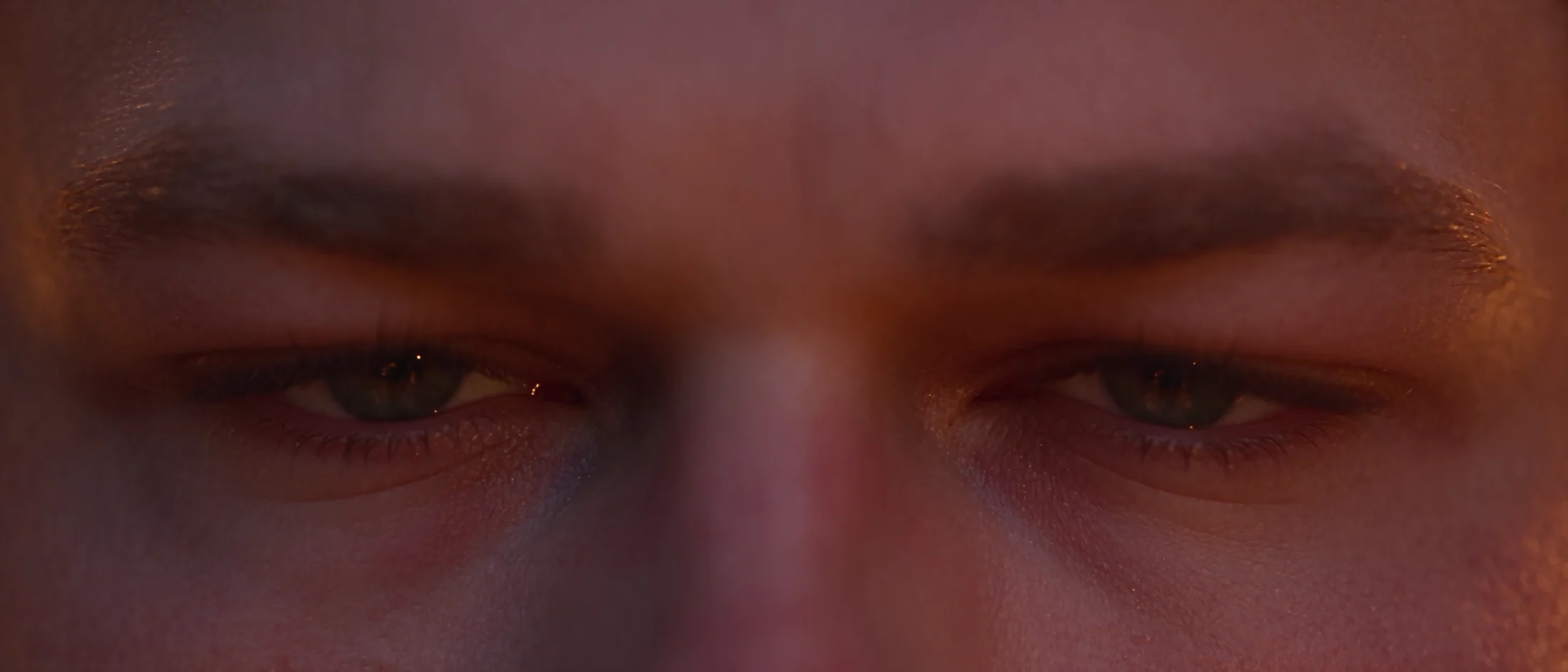
You can spot AI video by the little things: characters swap places between shots, eyelines miss each other, the room quietly rearranges itself. Viewers can’t always say what’s off, but they feel it. We hold the scene as tightly as a director on set: every character stays put and looks where they should.
Rhythm is directed too: the staredown is cut like a western shootout — a volley of quick close-ups you can’t look away from.
11
Film is made in the details
Generation gives you footage; the film happens in the edit — rhythm, pauses, sound, titles, everything that turns beautiful frames into a story. We do it all by hand, because that’s where the thing that keeps people watching to the end appears.
We take the same path with brands: a brand film, a character series, a product spot or vertical content. With clear stages, a sign-off at each one, and the feeling that you’re making a film, not waiting to see what the machine spits out.